
What is OSHA? If you’ve been keeping up with the content of this site for the last few months, you might’ve seen an uptick in articles regarding the government watchdog agency. The reason for this mostly comes down to the current OSHA regulations involving silica dust permissible exposure limit. Because of the new guidelines, manufacturers continue to engineer tools that conform to those standards. We’ve had the distinct pleasure of covering those new releases as well. Our goal is to help you avoid OSHA violations and increase your understanding of how this organization helps the industry as a whole.
What is OSHA? A Very Brief History
Prior to the inception of OSHA, there weren’t too many workplace health and safety measures in place. Aside from the Railroad Safety Appliance Act of 1893 and a few other minor regulations, the vast majority of workplace safety measures were tackled by trade unions and marginally effective worker compensation laws.
The agency is small by government standards. They occupy 10 regional offices and 85 local area offices. Combined with their state partners, OSHA employs around 1,850 inspectors who are responsible for the health and safety of 130 million workers. This covers the more than 8 million worksites around the nation.
That translates into one compliance officer for every ~70,000 workers.
Rising Workplace Injuries and Fatalities
By 1970, workplace injuries and fatalities had been steadily rising. In the two years before OSHA formed, workplace fatalities totaled around 14,000 per year. A couple of million people were also disabled or hurt in some way.
In response to dangerous working conditions across the nation, President Richard Nixon signed the Occupational Safety and Health Act into law in 1970. And that’s where OSHA got its name. OSHA stands for the Occupational Safety and Health Administration.
This agency was designed to carry out the new law that came into effect four months later in 1971. As a new agency, OSHA carried out the task of making sure that businesses and jobsites provided a safe workplace. They wanted companies that would operate free from recognized hazards.
The agency falls under the United States Department of Labor. Current key staff includes:
- James Frederick, Acting Assistant Secretary of Labor for Occupational Safety and Health
- Amanda Edens, Deputy Assistant Secretary of Labor for Occupational Safety and Health
- Leah Ford, Chief of Staff
- Ann Rosenthal, Senior Advisor
- Natalicia Tracy, Senior Policy Advisor
What is OSHA’s Mission?
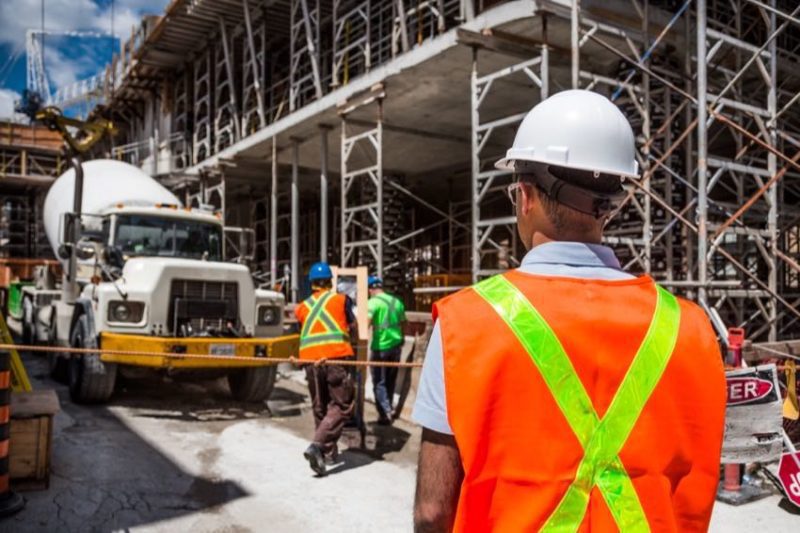
Since its inception, the Occupational Safety and Health Administration has promoted safety and health in the workplace. It has sought to reduce the occurrence of on-the-job injuries, illnesses, and fatalities. Ultimately, OSHA’s mission and purpose have been to send every worker home healthy at the end of the day.
What Does OSHA Do?
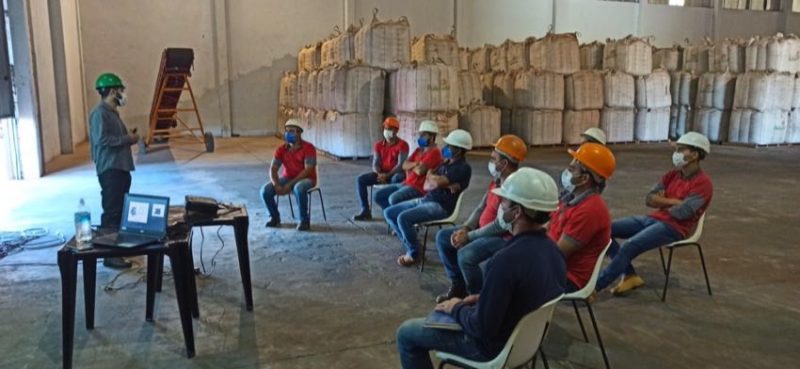
Some of the measures that OSHA requires of an employer include providing safety training through approved training programs. They also require employers to keep records of employee illness and injury. OSHA also requires employers to provide personal protective gear at no cost to the worker. They require proper labeling techniques for hazardous materials, and for employers to perform safety tests in the workplace.
Through OSHA regulation, workers are granted particular rights. They can receive information and training about hazards and preventative practices. They can request work-related injury records, test results for safety inspections, and workplace medical records. Workers can request an inspection of their workplace, and participate in OSHA inspections. They can speak privately with OSHA inspectors. Workers also have the right to file complaints against their employer without fear of retaliation or punishment.
For more information regarding worker rights and employer responsibilities, visit the OSHA website.
What Does OSHA Mean for Your Business?
OSHA’s primary function revolves around maintaining safe work environments for employees. And, in theory, it’s a great idea. No one wants to come home from work injured—especially not through an employer’s negligence. It’s unfortunate that there are companies that would rather take shortcuts than ensuring everyone’s safety. But, such is human nature.
When the bottom line becomes a company’s first priority, over and above the safety of the workers who make industry possible, an agency with the power to enforce safety precautions becomes a necessity. OSHA’s 50+ year-long commitment to protecting the laborer helps keep overzealous or uncaring employers in check.
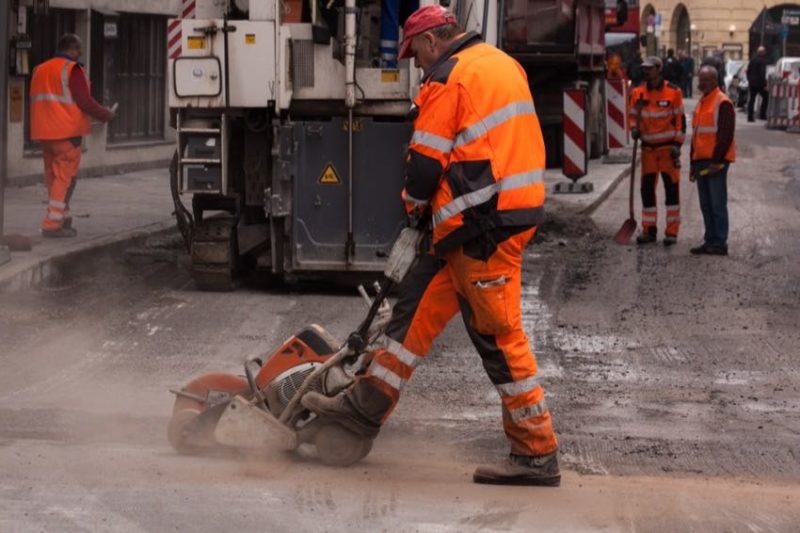
However, while OSHA’s primary function has less to do with slowing down productivity and handing out fines, they have certainly earned a bit of a reputation in both those areas. In fact, some folks might argue that what started as a good and necessary idea has turned into another bloated government program. It has its good qualities, sure. But, with so many nitpicky statutes and regulations on the books, production can get tied up in bureaucratic red tape.
While OSHA sometimes seems like an overprotective mother who can’t stop nagging long enough for anybody to get any work done, it serves a vital purpose. Don’t toss out the good for the perceived bad.
Editor’s Note: Be sure to check out our article on what to do if OSHA shows up at your job site.
How to Contact OSHA
Contacting OSHA can be done in a variety of ways. For more information, visit www.osha.gov or call OSHA at 1-800-321-6742 (OSHA).
In Conclusion
Undoubtedly, though, since 1970, workplace fatalities have decreased. According to the Bureau of Labor Statistics in 2010, fatalities have dropped from 14,000 in 1970 to 4,500 in 2010. That number rose a bit to 5,333 in 2019. Still, work-related injury and illness have dropped from 11 to around 3.5 per 100. At the same time, employment has doubled to over 130 million workers at more than 7.2 million worksites.
It’s hard to argue that OSHA, whether an extension of the nanny state or not, has not had a positive effect on the workplace overall.