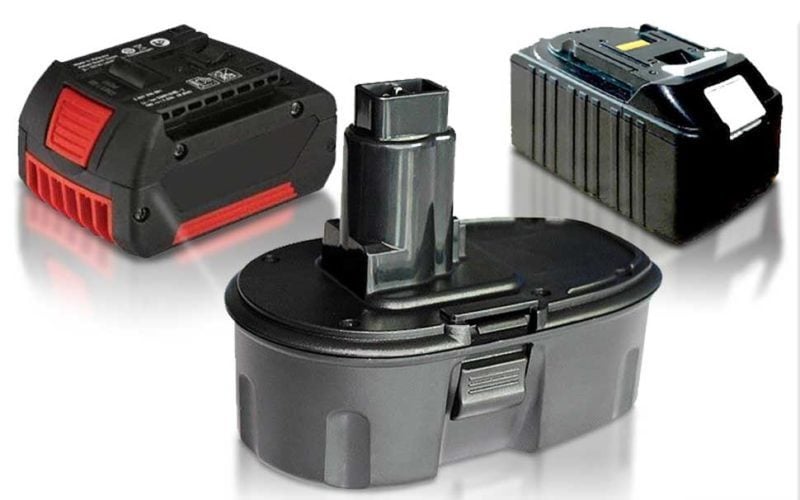
The time has come to replace your lithium-ion battery, or perhaps you just realize that it’s handy to have a spare or two. So you load up in the pickup and head to the local hardware store where you bought your beloved cordless tool. As the helpful salesperson leads you to the appropriate replacement tool batteries, you start to notice the price tag. $50, $75, even $100 or more! Panic begins to set in, and you wonder if you can find a better deal online.
Once you get home, you fire up the old Commodore 64 and wait through the modem’s pig squealing to connect to the Internet. A Google search of “replacement tool batteries” brings up over 16 million sites to choose from. Of course, you’re looking for the best price. A battery is a battery, right?
Eh, not so much.
There are hundreds of variables in creating the lithium-ion battery that came with your tool in the first place. Just take a look at what we discussed with Paul Fry of Milwaukee Tool regarding their RedLithium battery technology. Let’s look at the problems with aftermarket and knockoff replacement tool batteries. Then you can decide for yourself if going cheaper is worth it.
Table of Contents
- Replacement Power Tool Batteries from Third-Party/Knockoff Manufacturers
- Replacement Batteries Use Different Housing Designs
- The Potential for Sub-par Battery Cells
- Forget the Electronic Communication
- Replacement Tool Batteries Have No Real Warranty
- Lithium-ion Cells Possess Extreme Reactivity
- Lower Overall Battery Pack Performance
- The Bottom Line on Replacement Tool Batteries
Replacement Power Tool Batteries from Third-Party/Knockoff Manufacturers
There are a host of potential issues that come from using aftermarket replacement tool batteries. Here are the most common considerations to think about before installing a third-party battery that is half the cost of your cordless tool.
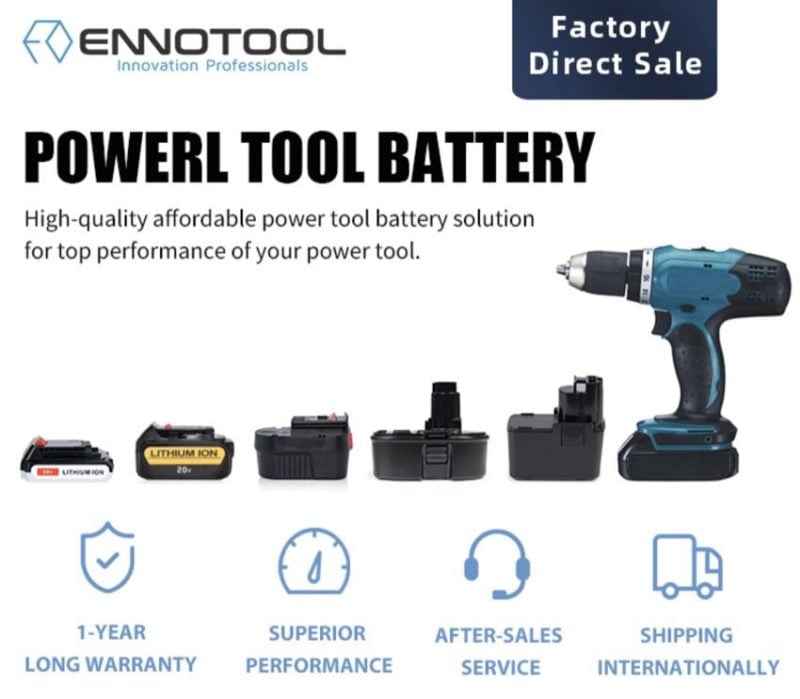
When it comes to the design and makeup of the batteries, manufacturers protect their secrets. Some third-party manufacturers may try to reverse engineer them, while others just want to make the tool do something when you press the trigger. Either way, they won’t be recreating the exact original design, and that will cause problems.
Replacement Batteries Use Different Housing Designs
The design that the manufacturer uses for their batteries is very specific. It helps dissipate heat, which is the #1 lithium-ion battery performance killer. It is also responsible for directing any moisture away from the cells and providing vibration protection.
The Potential for Sub-par Battery Cells
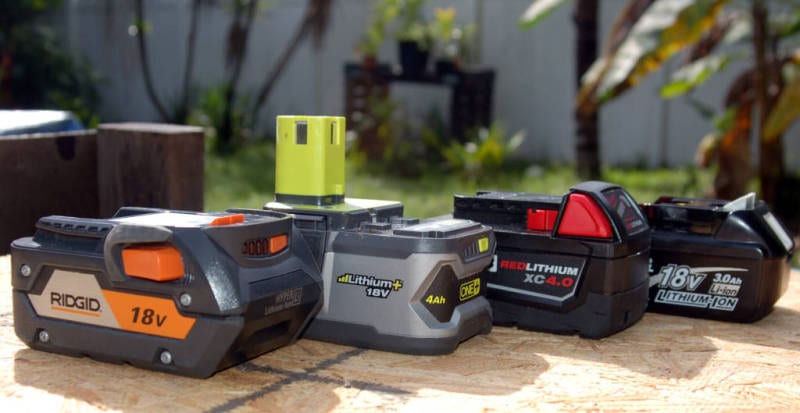
The cells differ greatly and you can find hundreds of different models that produce power in a battery pack. Manufacturers also use different lithium salts as the electrolyte. Many options also exist for the type and amount of material used as the cation and anion.
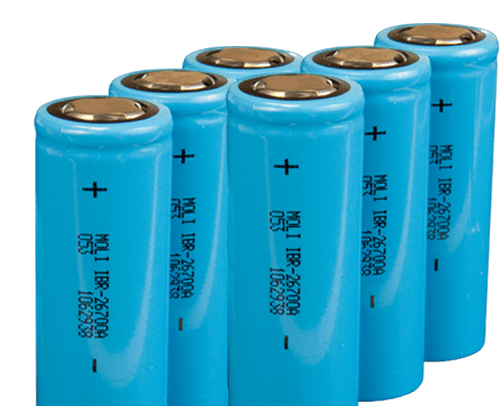
The cells aren’t as simple as a grouping of AA batteries working together. Adjusting any variable in a replacement battery cell can affect heat production, power output, run time, and more.
Forget the Electronic Communication
If you read no other part of this article, read this regarding replacement tool batteries!!! Today’s cordless tools rely on communication between the battery, tool, and charger. This prevents fatal damage to the tool or battery during charge or discharge. Aftermarket and knockoff batteries do not communicate with the tool the way it was designed. They bypass all of the features designed to protect both the tool and battery. After all, that communication is proprietary and carefully guarded.
Imagine this scenario: You get a knockoff battery and it works. Why? Because the easiest way to cheap out in a battery is for the battery to send a “go” signal to the tool. Except there’s no more monitoring of motor heat, and now your battery can drive the tool full-out until it melts the windings.
Clint DeBoer, editor-in-chief, Pro Tool Reviews
Replacement Tool Batteries Have No Real Warranty
First of all, most manufacturers warranty their batteries for at least a year. Some go 2 or 3 years, and Ridgid offers free replacement tool batteries for life. Fill out the registration online and save your receipts. This simple step may alleviate the problem altogether.
If you choose to go with a third-party battery, there is likely no warranty on it, and your cordless tool warranty is voided the moment you lock it into the tool. If your tool fails due to an aftermarket battery, they will be able to determine this and will not honor the warranty.
Lithium-ion Cells Possess Extreme Reactivity
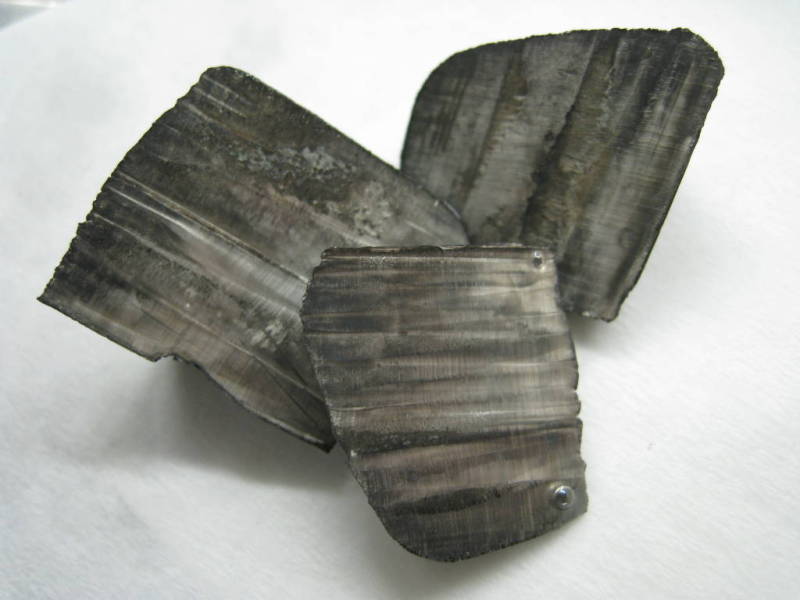
Did you know that lithium is one of the highly reactive elements on the Periodic Table? Yep, the same chemical makeup that makes it an excellent element for rechargeable batteries also makes it a great candidate to fail in a very spectacular way. In fact, if you are willing to sacrifice your battery, you can shoot many models out there and witness a fiery death.
On second thought, don’t actually try that at home. Leave that to the pros. The point is, if you don’t take care in both the creation and protection of the battery, it can lead to a very serious and literal meltdown. While most batteries use a lithium-iron-phosphorus ion that is relatively stable, poor construction or chemistry can make them unsafe in a hurry.
Lower Overall Battery Pack Performance
As I alluded to when discussing the battery cells, any change in a variable within the battery will affect its performance. Run times will be reduced, power and torque will be lower than the manufacturer’s specifications, and heat will be a major problem. This is due to the use of cheaper materials and the way they are assembled in the housing.
In addition to the performance of the tool itself, the balance and ergonomics of the tool will be thrown off by the adjusted size and weight.
The Bottom Line on Replacement Tool Batteries
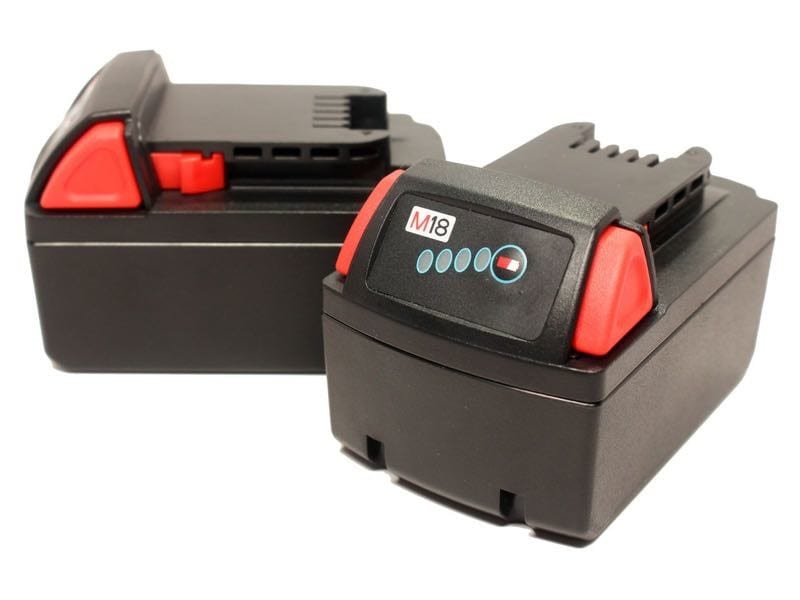
Let’s get this out in the open now. Most batteries are already manufactured in China as it is. Original manufacturer batteries are produced by reputable companies that match the specifications in a way that produces reliable results. Many knockoff replacement tool batteries are not being produced with the same tight specs. At best, they are attempts at reverse engineering that fall short. At worst, they barely resemble the original battery and fit poorly.
Here’s some food for thought. Do you really want to buy a battery from a company made up of people who stole the design from the manufacturer to reproduce it for their own gain? Because that’s what they’re doing, even the really poor quality ones.
I came across a site that sold DeWalt replacement tool batteries, Xbox game systems, and dishware. Do you think that the company is committed to producing quality tools? Heated jackets are now very popular. Do you really want to put one of these knockoffs in a garment that you are wearing? Something tells me that won’t end well.
Look, I know that you want to save money. I do, too. There are companies in China making knockoff Apple computers, SpyderCo knives, power tools, batteries, and any name-brand item they think will sell. They’re thieves. They’re happy to take your money and have absolutely no qualms about sending you a piece of junk in exchange. Even the third-party manufacturers, as much as they may try to produce quality, won’t be able to match what the original manufacturer’s battery is designed to do. Do yourself a favor and opt for original manufacturer replacement tool batteries.
Disagree? Leave a comment below.