
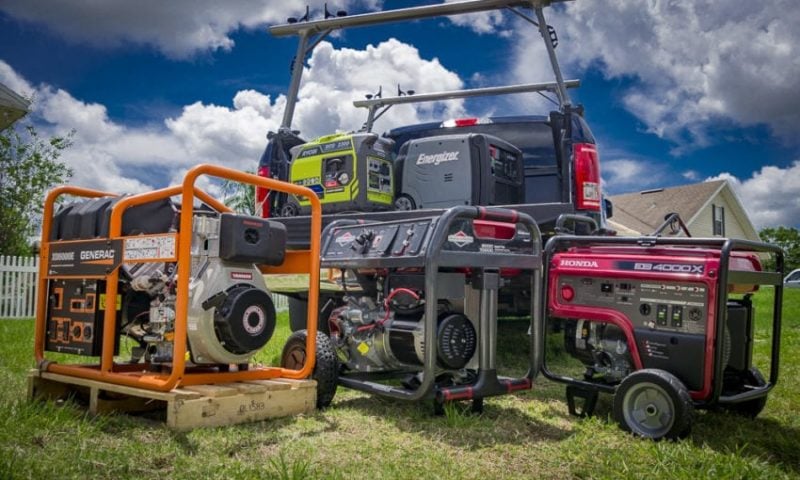
Because of our run-ins with hurricanes here in Florida, we have some practical knowledge of how to use a generator for emergency storm power in addition to how we use them on a job site. Of course, generators have many uses aside from powering the home after a nasty storm. These tips for how to use a generator still apply to any application. Use them whether you’re a contractor or simply preparing for hurricane season.
Before You Learn How to Use a Generator, Buy the Right One
It goes without saying that before you learn how to use a generator or inverter, you need to buy the right one for your needs. For that, check out our best inverter generator article to see our top picks.
Buy it Before You Need It
For storm prep, it’s generally a bad time to try to buy a generator after calamity has already struck. If your local retailer isn’t already closed due to a power outage, the chances that the shelves have already been picked clean are pretty good. In our hurricane-prone area, stores start running out by the time we’re 3 days out from landfall. You’ll want to get ahead of this one by picking up that generator ahead of time.
Ask the Right Questions
But which one? With so many models available, you’ll need to consider your needs. What size generator do you need? How much power? This, along with price, fuel type, outlet options, and choosing the right features, affect your decision. Generally, what applications will you use a generator for? Figuring out the answers to these questions will help narrow down your choices. Thankfully, we’ve already poured a fair amount of work into some articles that should help you answer these questions.
Preventative Maintenance Ensures Your Generator is Ready When You Need It
Another key part of preparation revolves around fuel and how you maintain your generator. For maintenance, you’ll want to check the oil and air filter as per manufacturer instructions. You also want to start the generator every few months and properly clear it of fuel when you’re finished for the season.
How Much Fuel is Enough?
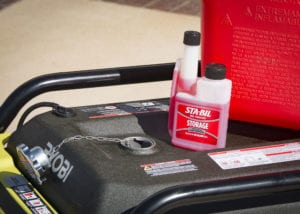
You’ll want to have a good idea of what type of fuel economy your generator gets ahead of time. This information can be found in the manual or through experience. With this information, you can plan for your fuel needs ahead of time.
It never hurts to have extra fuel on hand – a 3-day supply is a good rule of thumb for storm prep. However, if your generator requires gas, be aware of how time and ethanol can adversely affect the quality of your fuel and your engine’s performance. Use a stabilizer and rotate your fuel stock if you like to have some constantly on hand.
Diesel and Propane may not be as easy to get your hands on as gasoline after a major storm. You’ll be competing with deisel vehicles that are likely helping with recovery efforts, so you may want to store more fuel for those generators.
Hire a Licensed Electrician for Building Connections
You should never plug your portable generator directly into a wall outlet. This will cause backfeeding, which can run power back to the grid. It can potentially hurt you or someone else. To connect a generator directly to your house, you’ll need a licensed electrician to install a power transfer switch.
What to Know When It’s Time to Run
Run on Dry, Flat Ground
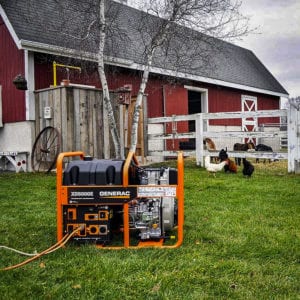
When it’s time to crank up the generator, make sure that you’re operating it on dry, flat ground. You should keep it away from any open doors or windows as well, as they tend to get really noisy and hot. You’ll want to make sure that you’ve allowed some distance between the generator and anything else. Three feet ought to be good.
NEVER Run a Generator Inside
Additionally, and this might seem like common sense, you should never run your generator inside. Generators, at levels much higher than your car, kick out exhaust that could potentially kill you if you’re not running it in a well-ventilated area. You’ll want to keep your generator at least 20 feet away from any open doors or windows.
We’ve even heard of people suffering injuries (or worse) from running a generator in their garage or outside of an open window.
Water and Electricity Don’t Mix
Avoid getting your generator wet. This probably shouldn’t need to be written down, but from a safety standpoint, water and electricity don’t play well together. You can run it from under a canopy, but again, you’ll want the canopy or covering to be open on all sides and well-ventilated.
How to Start Up a Generator When You’re Ready to Use It
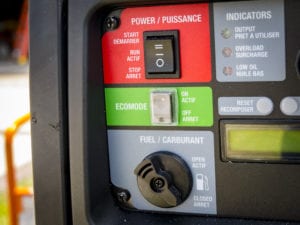
While starting your generator up, you’ll want to follow an operating procedure that will not only keep you safe but also protect the life of your equipment. Before cranking it up, make sure that the circuit breaker is flipped to the “off” position. Then, you’ll want to turn the fuel valve, which controls the flow of fuel to the engine, to the “on” position.
After turning the engine’s “start” switch to the on position, crank up the generator. Let it warm up for a few minutes, then switch the circuit breaker on.
Plug In with Heavy-Duty Extension Cords
At this point, you can plug things in. Make sure to use an approved, heavy-duty, outdoor-rated extension cord with a grounding pin. The heavier the cord gauge, the more efficiently it will transfer energy. Cords that are too small will starve the motors and cause them to fail.
Careful with Those Electronics
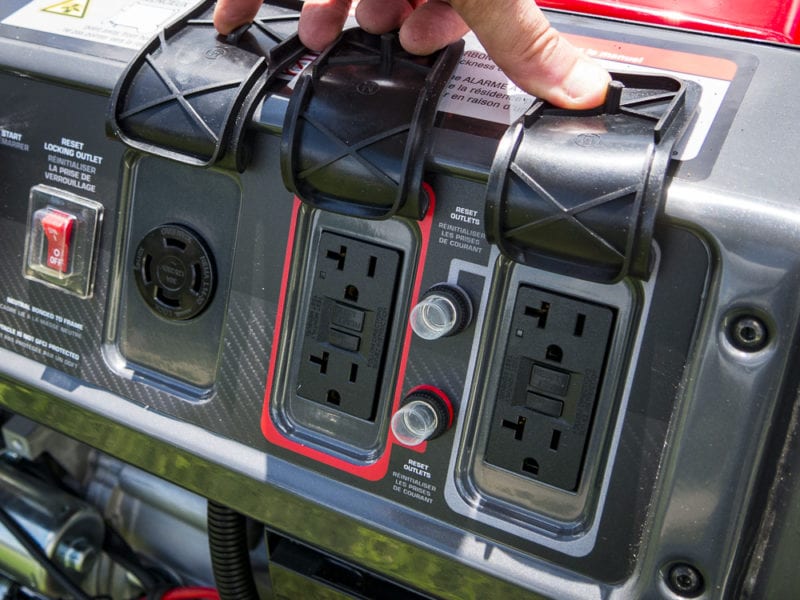
Not all generators deliver consistent power levels, and electronics are at risk when voltage isn’t stable. Most generators will tell you on the package or in the manual if they’re rated for electronics. If they’re not, resist the urge to try and watch the game on your TV or tablet. Listen to it on the radio instead.
Final Note on How to Use a Generator
When the job is done, or if you need to stop to refuel, flip the circuit breaker off, then turn the generator off. Finally, reset the fuel valve to the “off” position. If refueling, let it cool down for at least 15 minutes before refilling the tank. Refueling a hot generator can be dangerous.