
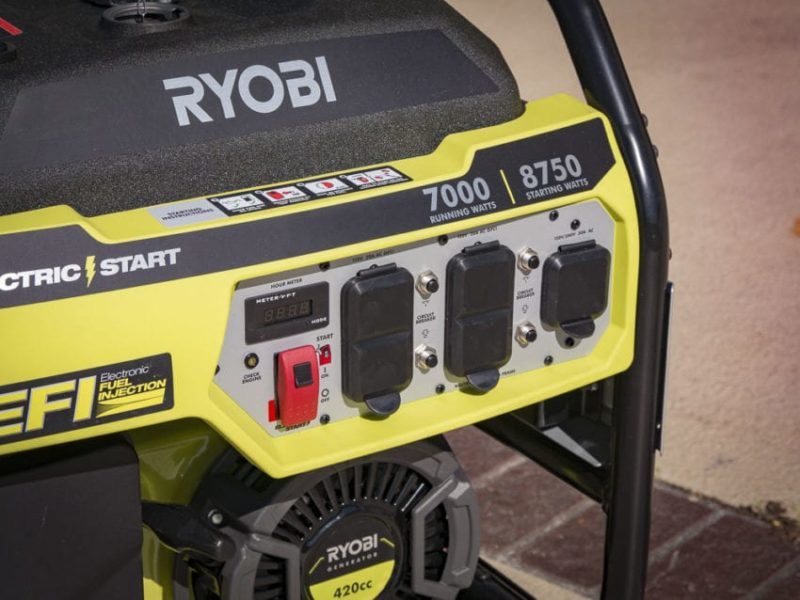
If you’re ever in a situation where there isn’t power for more than a few hours, you’re going to want a portable generator. The problem is that using your generator for emergency use means that it sits around most of the time. This leads to a different set of problems than we see on the jobsite. Pro contractors, on the other hand, use their generators much more frequently, so the maintenance is a little more routine. Regardless of whether you rely on your unit for everyday work or just emergency power, you need to know how to maintain your generator.
And we’re here to help.
As with any tool that requires maintenance, refer to the manufacturer’s instructions on how to maintain your generator. These guidelines generally work for all gas models. However, you’ll want to double-check so you don’t run into any issues if you need to make a warranty claim.
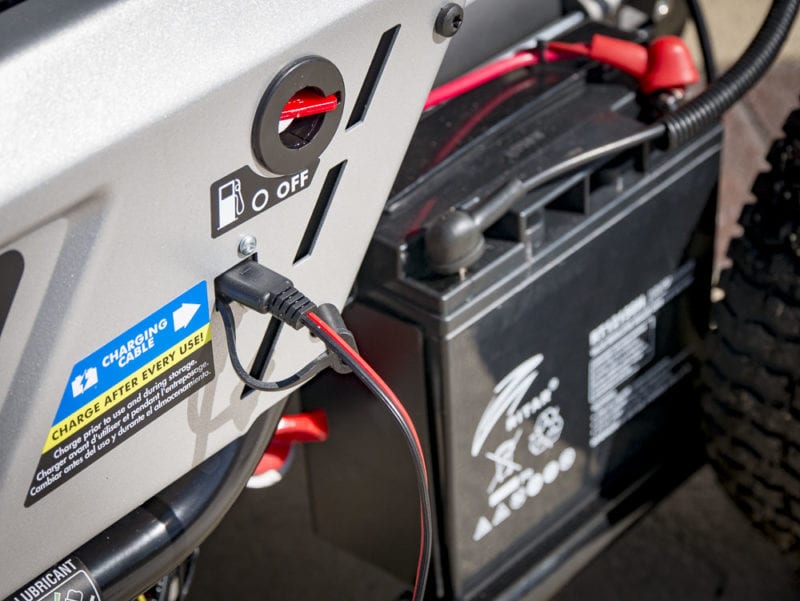
How to Maintain Your Generator Battery (Electric Start Only)
If your generator has an electric start, be sure to charge it before its first use. If your generator is destined for frequent jobsite use, it’ll maintain its charge level during use. For storm prep, you want to be sure to top it off at the beginning of the season. After that, once a month should suffice.
Maintenance Concerns for Gas
If you’re a boat owner, you’re already well aware that ethanol hasn’t been good for boat engines. But it’s not doing any favors for most engines, and generators are particularly susceptible. Now, if you’re a Pro using your generator at least several times a month, you can skip down. But if you’re using it less than that, consider several things.
First of all, modern generators are designed to handle up to e10 gas. That keeps you from having to go with the expense of ethanol-free. You can, however, choose to use ethanol-free gas if you want.
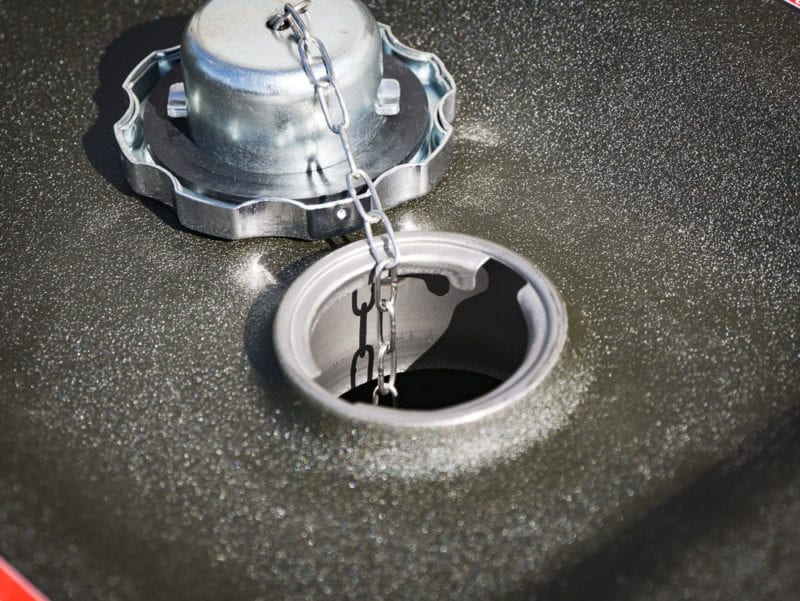
One of ethanol’s problems is that it generates condensation when it sits. Water is denser than gas, so it sinks to the bottom. And when you’re trying to start your generator for the first time in 6 months, it sucks that water right up into the fuel lines.
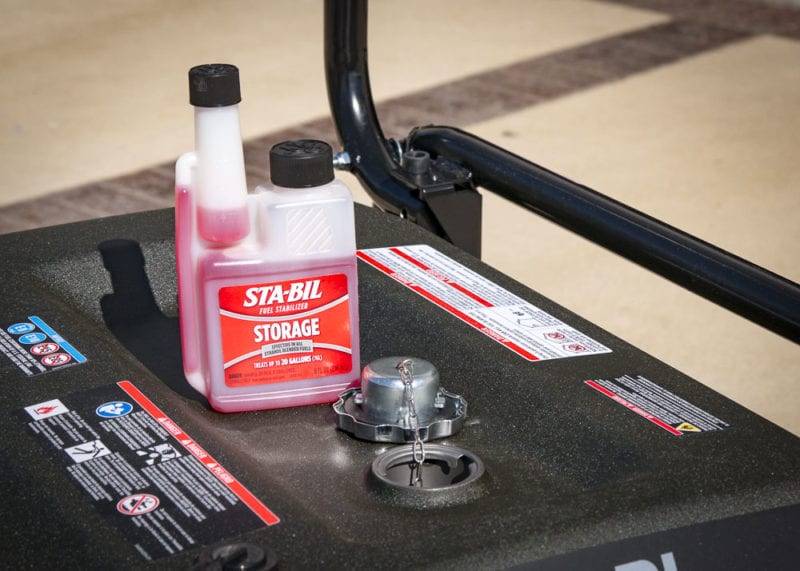
Then there’s the issue of sitting gas anyway. You can use a stabilizer like Sta-bil (boat owners swear by it). Your best bet, however, is to run the generator completely dry if you know you aren’t going to use it for a while. Even then, you’ll do yourself a big favor by adding a little fresh fuel and cranking the unit up to run for 15 minutes or so every month.
With fuel, the best way to maintain your generator over longer periods is to empty the tank. If there’s a lot of fuel left over, start by adding a stabilizer. Next, remove the fuel from the tank. They make kits for that, but let the engine cool down first. Finally, run the unit dry by letting it operate until it stalls out from lack of fuel.
Watch the Oil Levels
One of the number one issues when it comes to generator problems is proper oil levels and changes. Back in 2017, when Hurricane Irma ripped through town, people bought generators from stores as fast as they could. Many who never lost power simply returned them later (a conversation for another day). Many newbies didn’t read the instructions and quickly burned out the motor. There were also some who ran their generator inside (also a conversation for another day).
Whether you’re a Pro on the jobsite or prepping for storm season, always check the oil level before you start it.
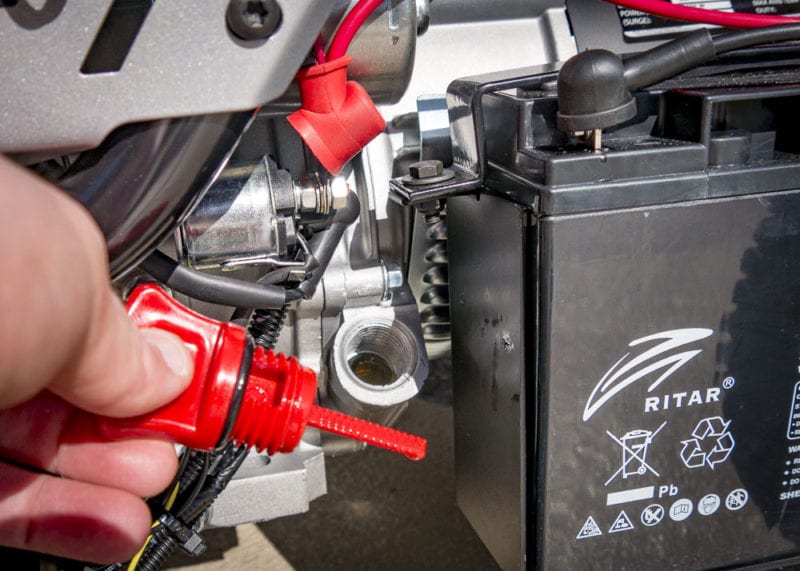
One of the most important steps in maintaining your generator concerns the oil. Once your generator reaches its first 30 hours of use, you’ll want to change the oil. But if you’re a seasonal or occasional user, make sure you change it once a year, even if you don’t have 30 hours on it yet. After the first oil change, you can go 100 hours between changes.
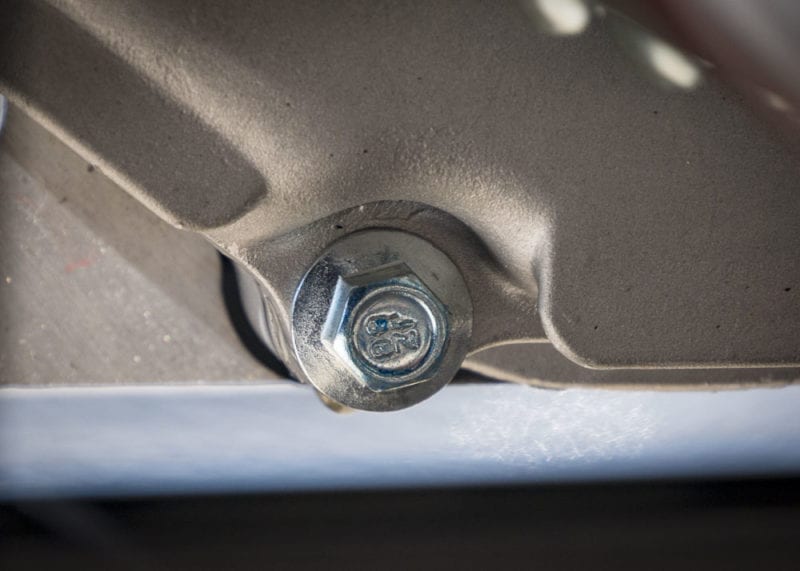
It goes without saying that you need gas for your generator, and Pros and preppers alike need to have enough on hand for how long they need to run. But you also need to make sure you have extra oil on hand.
Maintain Generator Spark Plugs and Filters
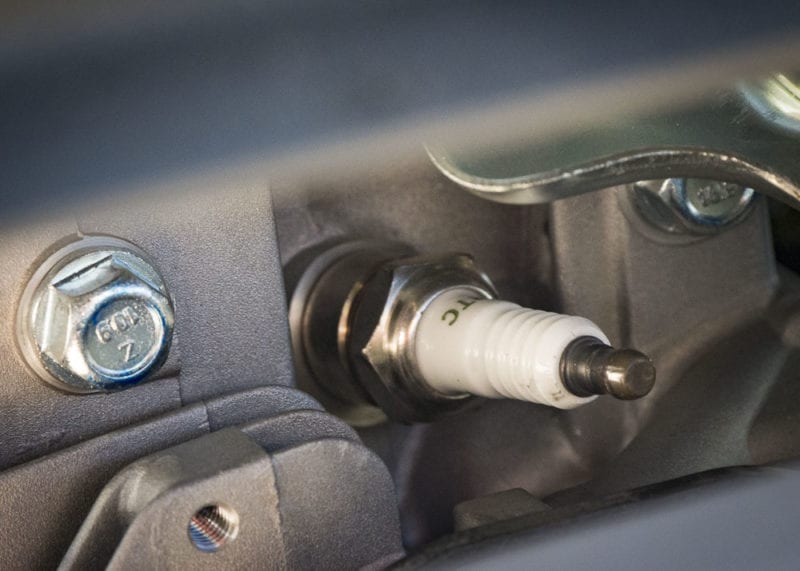
Spark plugs and air filters can go longer than oil—roughly 200 hours between changes. Even if you’re not logging that many hours, go ahead and change them out once a year, along with the oil. You’ll avoid plenty of issues by making this is a standard part of your maintenance rather than waiting for the generator to start running poorly. Plus, a new spark plug and air filter are relatively inexpensive, especially next to the cost of a trip to your small engine mechanic.
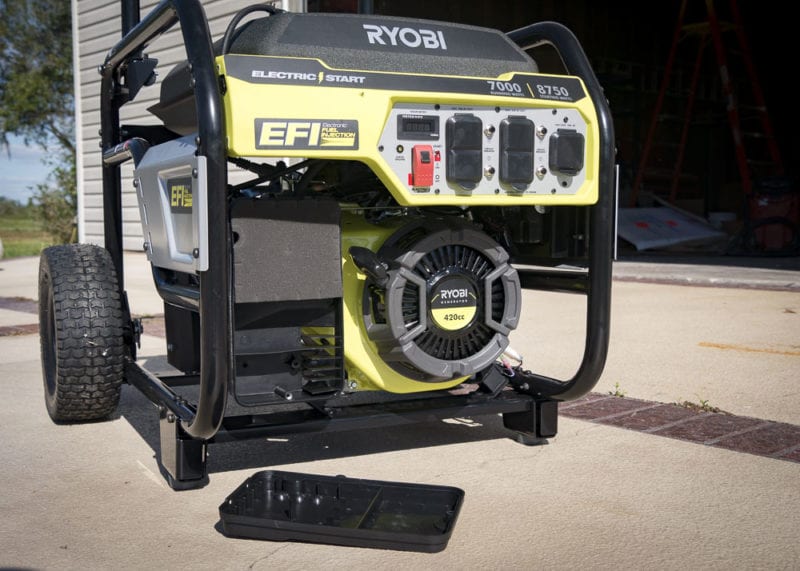
Whether you’re a Pro or prepping for storm season, these are the basics of how to maintain your generator. It’ll let you handle the bulk of the routine maintenance and avoid unnecessary trips to the small engine mechanic. There are certainly other steps you can take, like cleaning out the carburetor, but you’ll need a little more mechanical know-how.
Like the looks of this Ryobi generator? Get one from Home Depot!