
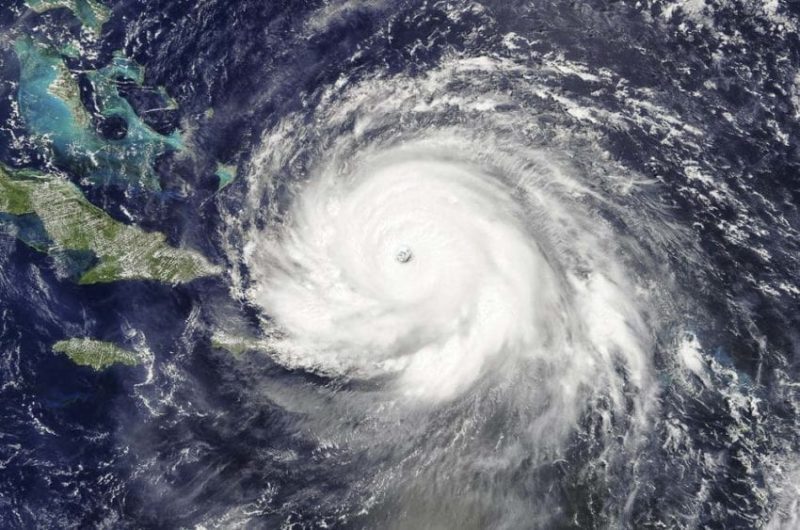
Nearly every year my family, friends, and I buckle down in Florida for the latest stream of hurricane craziness. It’s nothing to make light of—however, it also carries a sense of regularity. That regularity breeds people who know how to prepare for a hurricane so they don’t panic when it hits. If you know anything about seasoned Floridians—we don’t tend to panic. This week, I’m preparing my home for the potential tropical storm or hurricane. They typically come in from the east via the Caribbean or cross over and hit us from the Gulf of Mexico on the west coast.
Let’s start with getting some common questions out of the way. I get these more than any other.
How Long of a Downtime Do You Need to Prepare For?
Understanding downtime requires understanding how people deal with hurricanes in a hurricane-prone state.
This isn’t the movies.
If you live on the coast, you evacuate. If you live inland you buckle down. The majority of us simply need to batten down the hatches for potential power outages and food shortages. That could last up to a week.
Yes, a week. Any more, and you can simply hop in your car and drive north. A four-hour drive gets you to Georgia. They have food there too!
Remember, actual hurricane preparation isn’t sensational. Those “Let’s all panic!” guides are written by people who have no idea what they’re talking about. You don’t stock up for months of famine. Unless we have a particularly inept governor (DeSantis proved very adept at handling emergencies), even the worst hurricanes don’t typically result in more than a week of downtime.
How Long Can You Expect the Power to Be Out?
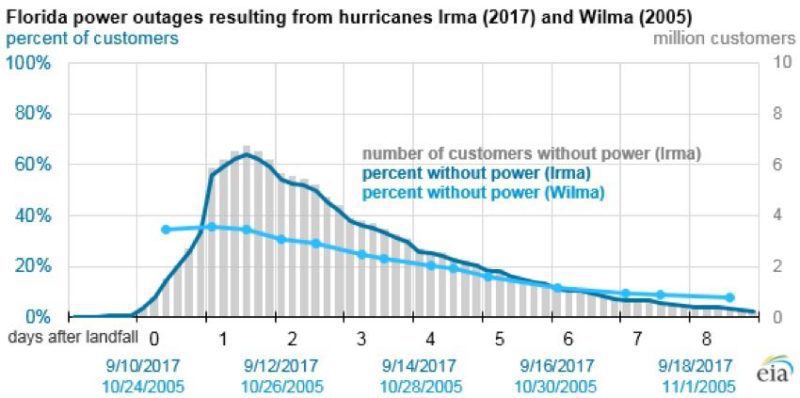
When Hurricane Irma hit Florida on September 10, 2017, almost 7 million residents lost power. That’s 64% of all customer accounts in the state. Most people found themselves out of power for less than four days. By day 9, only 1% still hadn’t had their power restored. Given those numbers and my decades-long history here, I plan to use 10 days as the goal for preparedness.
If you want to plan for 2 weeks that’s perfectly fine. However, while some people had to wait longer for power, grocery stores and most restaurants were up and running within the week.
Start with Water
Air, water, food, and shelter—that’s the big four when it comes to preparation. I’m certain we’ll all have enough air! That leaves water and food as the main areas of preparation.
In all of my years in Florida, I have yet to have the water shut off on me during a hurricane. That means that while I’m without power to heat my water, it still flows from the tap. Even if the water did shut off for some reason, this would be the #1 priority for the municipality. It would be unlikely to be down for more than 2-3 days.
If, however, you get your water from a well and require a powered pump, then you need to take care to supply yourself with enough water to deal with everything you need as you won’t have the benefit of gravity-fed city water.
If you are on a well, have about 1 gallon of water per person per day to cover both drinking and washing/rinsing. If you can fill a bathtub, that can knock your water requirements down significantly.
If some of your food requires water, add that into the equation. Be sure not to get stingy here. Bottled water and gallon water jugs last a good long time. There’s really no reason not to have a bunch ready that you can cycle through.
Key Tips for Stocking Up on Water
- Do NOT rely on your pool as you then have to deal with algae and chlorine. Without power, that pool turns green quickly!
- I prefer 2.5-gallon jugs of water from the local grocery store over single gallons. They feature a pour spout and you can set them on the counter and use them easily.
- Shop early for water and don’t overbuy. There’s nothing worse than having to compete with the crowds for last-minute preparation.
How Much Food Do You Need?
Food isn’t difficult to prepare for when planning for a potential hurricane. However, you may not want to eat granola bars for 10 days straight!
Because of this, plan a variety of foods and remember that you should be able to go shopping after just a few days following a storm. Even if it takes a week, you should arrange your emergency meals in such a way as to give your family some variety when dealing with a hurricane.
You’re going to be hot and inconvenienced. Comfort food helps and can provide some much-needed fun and sanity during a difficult time!
My Personal Food Recommendations for Hurricane Prep
Great food choices include any of the following:
- Canned goods (meats, fruits, and vegetables)
- Cereal
- Dried fruits
- Peanut butter & crackers
- Granola/protein bars and fruit bars
- Canned juices (smaller bottles)
- Shelf-stable (non-perishable) pasteurized and/or powdered milk
- Comfort foods (we love goldfish, Oreo cookies, beef jerky, Slim Jims, Twizzlers, etc). Pull out a new treat each night.
Key Tips & Reminders for Groceries and General Supplies
- For young parents—don’t forget to have baby food and/or formula if needed as well as a stockpile of wipes, diapers, etc. You don’t want to lack baby supplies if the power goes out!
- The same goes for feminine hygiene products. Get a stock of those ahead of time for anyone in your family who needs them so you have them on hand.
- Make sure to have at least two filled 20-gallon propane tanks for the grill. It may be that you get access to fresh food at the store, but your home doesn’t have power for several days. Getting off rations and unprepared foods can really lift your family’s spirits.
Prepare a Hurricane Disaster Kit
The next step in how I prepare for a hurricane centers around having a good “disaster kit”. A disaster kit includes basic things you need to cover in the event of most emergencies. It’s a bit more than a “go-bag” but it has the same flavor since the intent should be to keep it ready and rotate through it as needed.
My recommendations for your hurricane preparedness disaster kit
- Basic tool set with sockets, adjustable wrench, and screwdrivers
- Extra AA/AAA/9V batteries and fully-charged USB power banks (battery-powered jump starters work great for this)
- Manual can opener for those canned goods above (this one includes a bottle opener)
- Plastic/disposable dinnerware and straws
- Well-stocked first aid kit with Tylenol, Aleve, and Advil
- Flashlights and headlamps
- Large contractor garbage bags for yard cleanup
- Cash – have around $200/week for each adult member in your family in case you need supplies from a local store and their system is down
- Books, cards, board games, puzzles, paper, pencils/crayons, and balls. You might have lots of spare time to entertain your family—make the best of it!
Consider These Extras
- Battery-powered fan with several batteries (this is Florida, people!)
- At least a couple of battery-powered area lights. I recommend a few long-running, low-output area lights with long runtimes. A couple of bright spotlights and flashlights can help as well. You really cannot have too many of these!
- Fire extinguisher
- Radio (hand crank models are nifty) in case cell phone service goes down (this also hasn’t happened in over 20 years)
Don’t Forget About Your Pets!
The last thing you want to do is watch your pet suffer because you forgot to provide for them during your hurricane preparation. Prepare for a hurricane early and don’t forget to grab enough pet supplies to last you the same 10 days. They need water and food just like the rest of your family.
Gas for Your Vehicle
One of the benefits of living in Florida involves the ability to get to any other part of the state quickly. Hurricanes can extend or spread up to 300 miles across. That means you might be as little as 150 miles away from a less-affected area at any given time.
If you have gas and enough money for a hotel, you can take your family on the road and get away for a bit while the power company gets things back up and running. In terms of staying comfortable, that’s a huge win. Keeping your gas tank topped off before a storm may be my top suggestion.
After the storm hits, you may have difficulty finding fuel due to the widespread use of generators.
Gas for Your Generator
If you happen to own a generator, I recommend having a way to easily and safely connect it to your home’s electrical panel. You also need enough gas to operate it for the duration of the outage. How much gas you require has to do with the size of generator and the load you place on it. The load is determined by the amount of circuits or equipment you intend to operate during the storm.
At a minimum, you want to keep your refrigerator and freezer running. At best you can connect your home’s lights (hopefully LED) and even a coffee maker or hot water heater.
If you live a charmed life and have a Generac GP18000EFI like I do, you can even run a large AC unit and stay cool. You just need to keep that genny going with plenty of gasoline (or diesel or propane depending on your unit). For me, that translates into ~10-12 gallons per day. For most generators, plan on filling up your generator tank and then storing 20 gallons of gas in total. You may need more, but by that time the fuel stations should be doing OK.
Helpful Generator Tips
- Best Home Generator
- Buying a Portable Generator
- How to Maintain Your Generator
- How to Use a Generator
What Tools Do You Need for a Hurricane? During the Storm
Since I write for a power tool reviews publication, I wanted to provide a list of the tools I’ve actually used during or after a hurricane or big storm.
When Hurricane Irma came through Central Florida, my family and I ended up directly in the path as it shifted from east coast strike to west coast strike. Finally, of course, it settled on coming directly through our hometown of Lakeland. Fortunately, Hurricane Irma wasn’t nearly as strong when she hit us as it was in the Caribbean.
What fun…And a lot of post-storm cleanup!
Check out how power crews prioritize power restoration after a storm!
Milwaukee RedLithium USB Flashlight
Lighting is your best friend once the power goes out. We use a lot of Milwaukee USB Rechargeable Flashlights. They help in two specific ways. First, they let you easily check for damage when hearing trees crack and objects hitting the roof of the house.
Second, with the light pointed up at the ceiling, it reflects enough light to fill the entire room. It worked well for playing board games or just watching the concerned looks on everyone’s faces.
Milwaukee Packout Radio
Our local country station switched to full coverage of Hurricane Irma (2017) during the 24 hours the storm was moving through. While (miraculously) we didn’t lose power during this storm, hurricane Ian (2022) knocked us out for almost a week. Using a Milwaukee M18 5.0Ah battery, we were able to stay informed and get the latest information. Plus, I can’t think of better how to prepare for a hurricane advice than to crank up the tunes!
Generac GP18000EFI Generator
The “Cadillac” of portable home generators, my Generac GP18000EFI deserves mention. In my opinion, you can’t buy a more powerful or capable generator to back up your large home or home office during a hurricane outage. Even better is the instant automatic power from a Guardian series 26kW home standby generator with a whole home switch. Regardless of which brand or model you get, having a generator keeps you from losing the contents of your fridge in a storm. If you live in an area prone to hurricanes; this should be a staple.
Tools You Need for a Hurricane: After the Storm
You may know how to prepare for a hurricane before the storm—but what about after? Without electricity, the house stays dark a lot more than you might expect. Lighting comes in handy.
Then comes the work to help your neighbors (and yourself) get trees off of roofs and cars. Storm cleanup is a big deal—and that all requires tools.
Ryobi Compact Area Light
This light makes for an excellent way to light up an area for playing board games at night or simply lighting up the kitchen in the morning before the sun comes up. Any area light or lantern will do, but this one literally runs for up to 7 days on a single 9Ah 18V Ryobi battery! Beyond that it costs just $30.
Cordless Chainsaws
With 4 houses to cover along with a couple of churches, I found use for several battery-powered chainsaws in various locations around the city. The pop-the-battery-in-and-cut nature of cordless saws kept me working while others were still trying to get their saws started. When I tell people how to prepare for a hurricane I never forget to mention these excellent tools. Yes, gas saws don’t require batteries, but I’d rather use the fuel in my generator and save all my batteries for the chainsaw and lights. After all—I’m not going to be mowing the lawn for a while!
Chainsaw Recommendations from those Pro Tool Reviews has tested:
- EGO 16″ Chainsaw
- Husqvarna 535i XP Chainsaw
- Greenworks 60V 18-inch Chainsaw
- DeWalt FlexVolt 60V 20-inch Chainsaw
- Makita 18V X2 LXT Chainsaw
Overland Battery-Powered Wheelbarrow
With all this debris to clean up, you have to move it for either pick-up or disposal. Overland’s battery-powered wheelbarrow saved a serious amount of back pain by moving oak cuttings to the burn pile with ease. We used this cart over at Tim Johnson’s house (of Shop Tool Reviews fame) to help clean up after the storm. It hauled not only leaves and dirt, but also larger sections of oak tree. We ran this cart for several hours per day from the site of felled trees to the burn pile.
Gas Grill
While I love the Traeger Pellet Smoker Grill, you really benefit from having something that works solely off propane during a storm. For me, that’s something like a Big Green Egg Kamado or (for less money) the Oklahoma Joe’s Firecraft Charcoal Grill. Propane and/or charcoal grills effectively replace your oven after a hurricane. Grilling can provide a much-needed boost in morale following a hurricane! Even if you suffer through some heat and inconvenience, at least you’ll eat well!
Cordless Fans
When it’s time to call it a night and get a few hours of sleep, opening the windows and generating a cool breeze will help you recover well before the next day. I used three different fans to keep my family cool at night. Using the fans on Low lets you use one 4Ah or 5Ah battery for at least two nights. When running a generator, I also favor fans that include a hybrid AC power option so I can run them while putting the bateries on the charger to top them off.
- Ryobi 18V 7.5-in. Hybrid Fan ($59)
- Ridgid 18V Hybrid Fan ($79)
- Milwaukee M18 Jobsite Fan ($89)
Battery Adapters
With no utility power, I took advantage of every USB charging adapter I owned to convert power tool battery packs into cell phone power sources. Milwaukee (both M12 and M18), Ridgid, and DeWalt all have these. Some manufactuers, like Skil, include a USB port right on teh battery!
Yeti Tundra 45 Cooler
How does 5 days’ worth of cooling with no power sound? Yes, please! The trick to maintaining food is to keep it cold until you need it. Freezers can stay cold for more than 24 hours, but refrigerators are only good for about 4. Moving perishables to a Yeti or similar cooler lets you keep things like milk, cheese, and eggs from going bad until eaten. If you don’t have power, but have ready access to ice—this could help save your perishable goods.
Note: Be aware that every time you open the cooler, you reduce the time you can keep the ice. Either have a plan to get more ice or plan on eating and drinking everything within the first three days if you’ll be in and out of the cooler a couple of times per day.
The Bottom Line When You Prepare for a Hurricane
Obviously, no one likes hurricanes. They present a mild inconvenience at best and a dangerous life-threatening situation at worst. The least you can do is help prepare your family for when a hurricane comes. In the South, it’s something we learned after the first few years of being in the area.
While I recommended a lot of preparation items and even some cool tools—there are things that might show up on some preparation lists that I didn’t include. Once hardware stores and lumber yards open back up, there’s plenty of damage to repair and rebuilding to do. That’s another story.
As far as the basics of how you prepare for a hurricane, that ‘P’ word reigns supreme (as it does in many things in life). PREPARE.
You MUST prepare. Don’t wait until the last minute to get what you need. Hopefully, this list will help you care for your families as well as your neighbors. Most importantly, I and everyone at Pro Tool Reviews wants you and your family to stay safe.
When Irma came through our neighborhood we were fortunate. Utility crews moved safely and quickly through our city, and food loss was minimal. We even managed to stay relatively comfortable while we helped those around us. That’s a huge win in our book.