
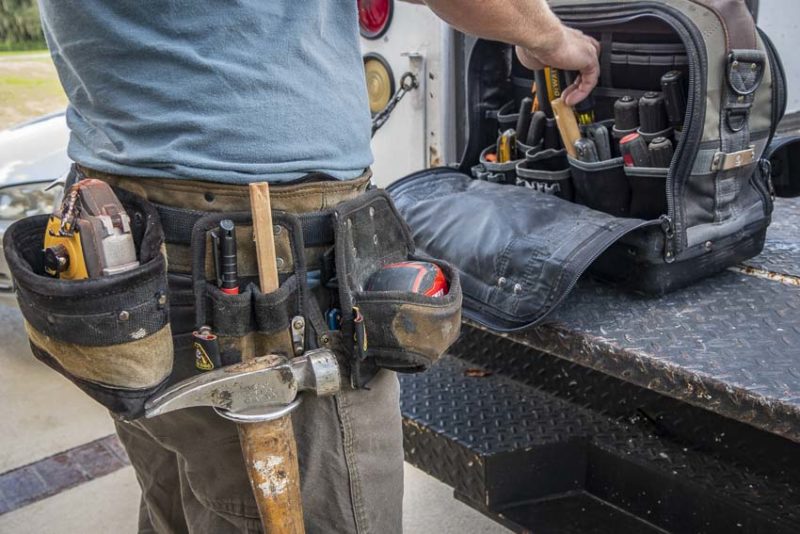
Many of our readers have asked how to build a basic tool set. Even the non-handiest person needs to make minor repairs, hang pictures, or assemble furniture from time to time! Whether you’re a new tradesman looking for your first major league tool set or a DIYer who needs the most value-minded options, we’ve got you covered!
When assembling your basic tool set, there are certain tools with no substitutes. While pre-packaged sets exist, many of these compromise by including lower-quality pieces to hit a price point. Often, customizing for your own unique needs yields better results.
Pro Tip: Actually holding the tools in your hand before buying helps you know what works for you by ensuring you like the weight, size, and feel of each.
Know What You’re Looking For? Click to Jump to the Section You’re Interested In!
We broke down the top power tool combo kits in their own list, so check that out if you’re ready to shop!
Key Tools to Include in a Basic Tool Set
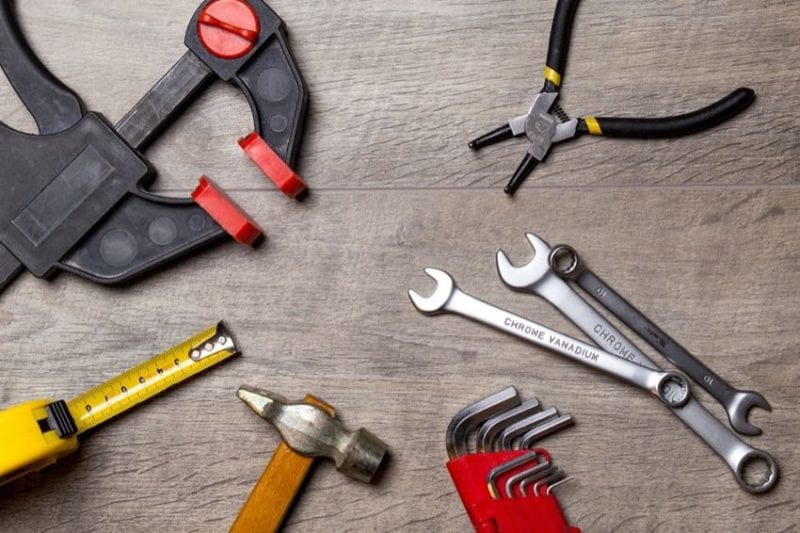
Anyone who has ever bought “some-assembly-required” furniture knows that having the right tools makes life much easier. A basic toolset comes in handy when you need to do things like adjust a bicycle seat, put up blinds, hang curtain rods, or replace a car battery.
Use the recommendations below as a starting point, but feel free to “roll your own” solutions as well.
Framing Hammer
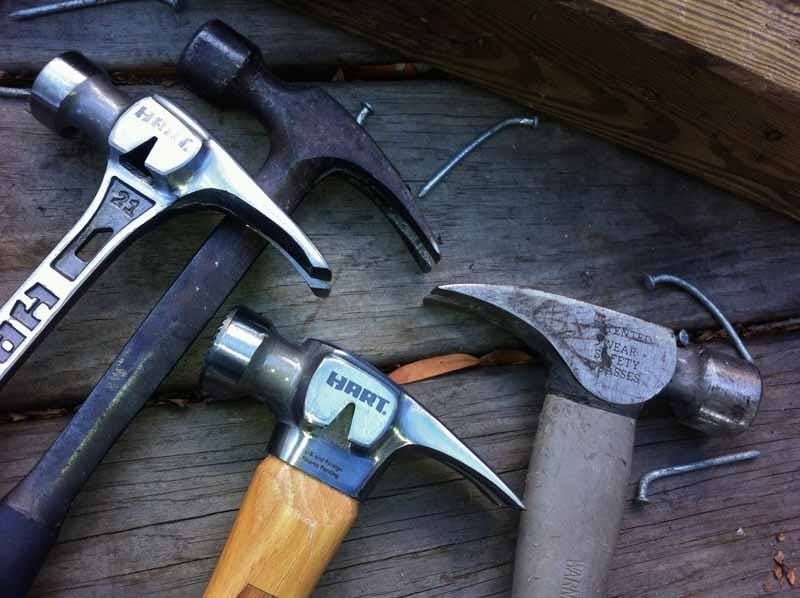
Every good tool set needs at least one hammer, and we recommend starting with a framing hammer. Even though it’s the largest hammer you’ll likely need, you can always tap small nails more lightly while having the force you need to drive larger framing nails.
Look for a smooth-faced hammer instead of a milled face to avoid putting a waffle pattern in the wall. Also, stick with a straight claw for the most effective nail removal in most situations.
If you have the budget, titanium hammers are really nice, but you’ll be just fine with a standard steel model.
Learn more about titanium vs steel hammers.
If you have space for it, consider adding a finish hammer for driving smaller nails. Their lighter and smaller design is easier to use and can help you avoid overdriving nails in soft materials like drywall.
How many types of hammers do you know? Check against our list!
Screwdriver Set
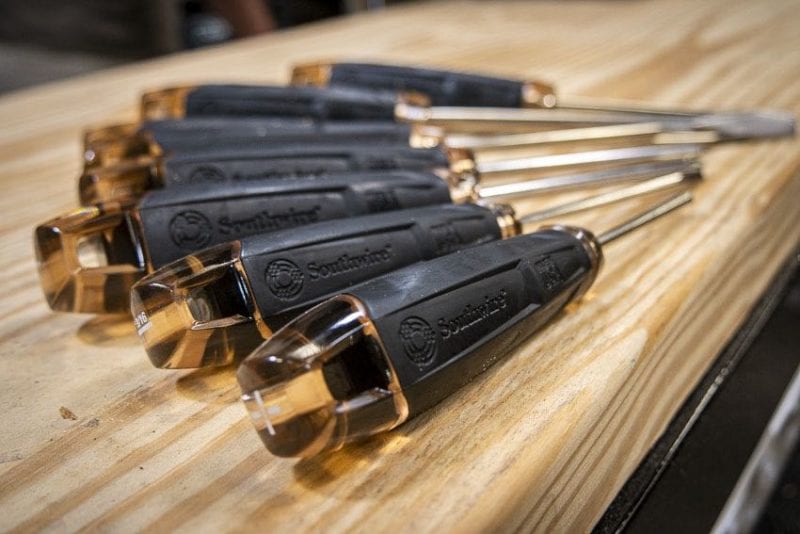
Even though your drill or impact driver can handle most small fastening duties, there are times when a standard screwdriver is the best tool for the job.
A good starter screwdriver set comes with multiple sizes of both slotted (flat head) and Philips head drivers at a minimum. TORX and hex screwdrivers are useful for nearly everyone, while square screwdrivers are a common need for electricians.
To get the best of everything in one tool, consider grabbing a multi-bit screwdriver. For basic needs, choose one that uses 1/4-inch hex bits. You can buy those readily at any home improvement store and customize which bits you want to have handy.
Need some help deciding? Start with our Best Screwdriver Set recommendations.
Cordless Tools
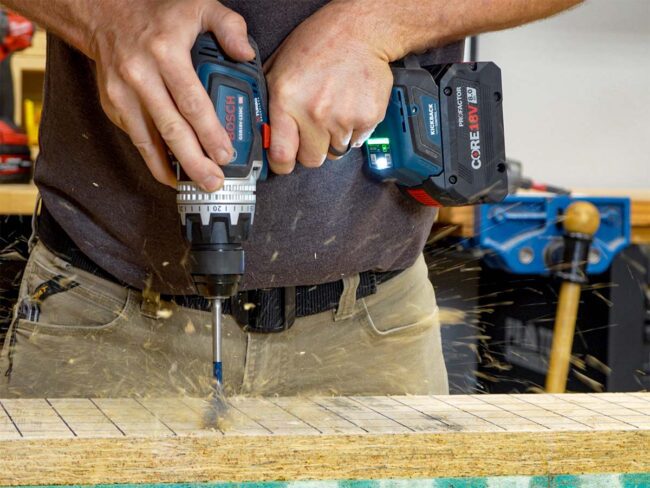
While a drill is the most common cordless tool you’ll use, getting started with a combo kit can save you quite a bit of money over adding tools one at a time. Most people can at least use a drill and impact driver, which you’ll find in a two-tool kit along with at least one battery and a charger.
Many weekend projects benefit from a circular saw, and remodeling jobs often require a reciprocating saw. These four tools are often packaged with a couple of batteries and a charger to get you started on the right foot. Here’s why you might want each (click on each link for our top recommendations):
- Drill Driver: Drill holes and drives screws
- Hammer Drill: Upgraded drill driver that has a mode for drilling in concrete
- Impact Driver: Drives screws and fastens nuts and bolts with more torque than a drill
- Circular Saw: Cuts wood into custom sizes
- Reciprocating Saw: Rough cuts wood, metal, and plastic, usually for demolition or removal
If your ambitions are more advanced, here are a few more tool categories we use on a regular basis:
- Impact Wrench: Tightens and loosens nuts and bolts and drives large structural screws with more torque than an impact driver
- Oscillating Multi-tool: Uses a wide range of accessories to cut wood, metal, and plastic, sand, scrape, remove grout, and much more
- Angle Grinder: Cuts, grinds, and surface preps metal and concrete, among other uses
From there, it depends on whether you’re focusing on a specific area like woodworking, plumbing, electrical, or automotive. There are extensive cordless tool options to support all of those and more.
Drill Bits and Driver Bits
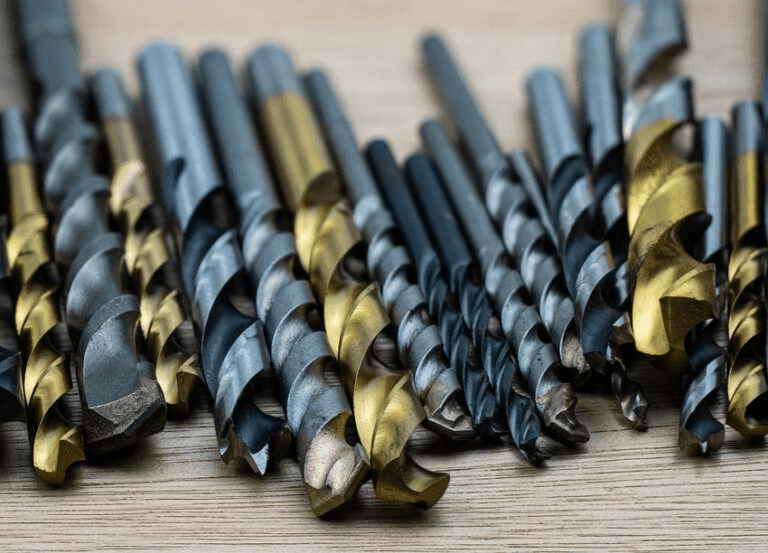
You’ll want a drill bit kit for your hole-drilling needs. A basic 8-piece set will cover the most common sizes you need.
However, you can grab what’s known as an “index” kit that includes one of just about every size from 1/16-inch to 1/2-inch if you need precise sizes. You can also buy just the specific sizes you need if a full index kit is overkill.
There are three common types of drill bits you’re likely to come across:
- Black Oxide Coated: Good for drilling in wood or plastic
- Titanium Coated: Better for drilling in wood and plastic, good for drilling in metal
- Cobalt: Best for drilling in metal (also good for drilling in metal and plastic, but often reserved for metal because of the higher cost)
See our recommendations for the best drill bits for metal!
For driver bits, you have an easier time. Start by grabbing a good set that includes multiple slotted, Phillips, TORX, and square bits along with a couple of sizes of bit holders. That should cover most screwdriving situations you run into.
As bits wear down or break, you can pick up replacements at your local hardware or home improvement store.
Digital Multimeter or Voltmeter
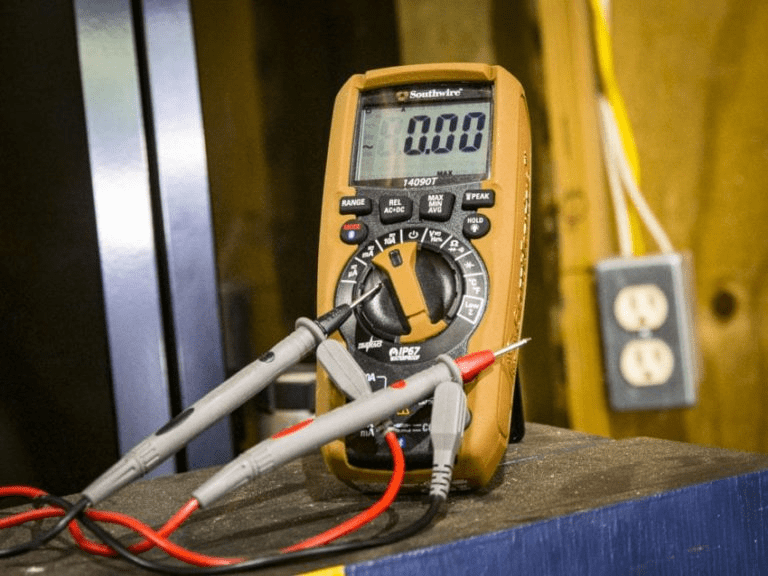
A digital multimeter or voltmeter can help you troubleshoot many different electrical problems or ensure that power is off on any circuits you’re working on.
If you don’t ever plan to touch anything electrical, you can skip this, but we highly recommend you at least have a non-contact voltage tester on hand—you never know when you need one!
- Non-contact Volt Tester: Detects the presence and level of electrical voltage
- Multimeter: Measures AC and DC electrical voltage, amperage, and resistance
Work Light and Headlamp
There are plenty of times when you’ll need to light things up. It’s easy to go overboard with the number of lighting options available, but we recommend starting simple with a headlamp and a broad-throw work light.
A good LED headlamp offers flashlight-like lighting, usually with the ability to adjust the light’s intensity and pivot its direction. Unlike holding a flashlight, it leaves both of your hands free to work. Whether you’re working inside a cabinet, under the hood, or in a crawl space, all you have to do is look in the direction you need light.
Having a small to medium-sized work light is also helpful. These typically have a very wide throw and higher lumen output to light up a larger area. Most also have multiple intensity modes and a pivoting head to help you get the amount of light you need where you need it. Bonus features like a magnetic base or hanging hook make it more versatile.
Extension Cord
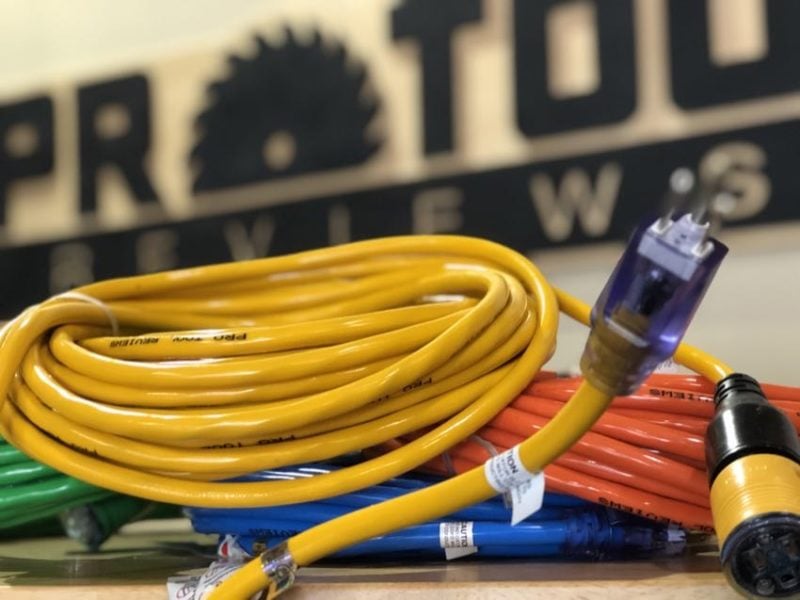
You’ll need extension cords at some point, but don’t go for the cheapest one you can find. The length of the cord and how much power you need from it determine the type you should get.
In general, we prefer 50-foot extension cords, even if we have to connect several together. They have a solid reach, and they’re easier to manage than 100-foot cords. Even though they’re more expensive, it’s worth grabbing the 12 AWG wire cords to make sure your 15-amp tools don’t end up power-starved.
If your budget allows, grab a model with a locking female end. It’ll save you the headache of accidentally disconnecting your tool or tying an overhand knot in your cords.
See our extension cord size chart guidelines for help choosing the right type.
Shop Vac or Dust Extractor
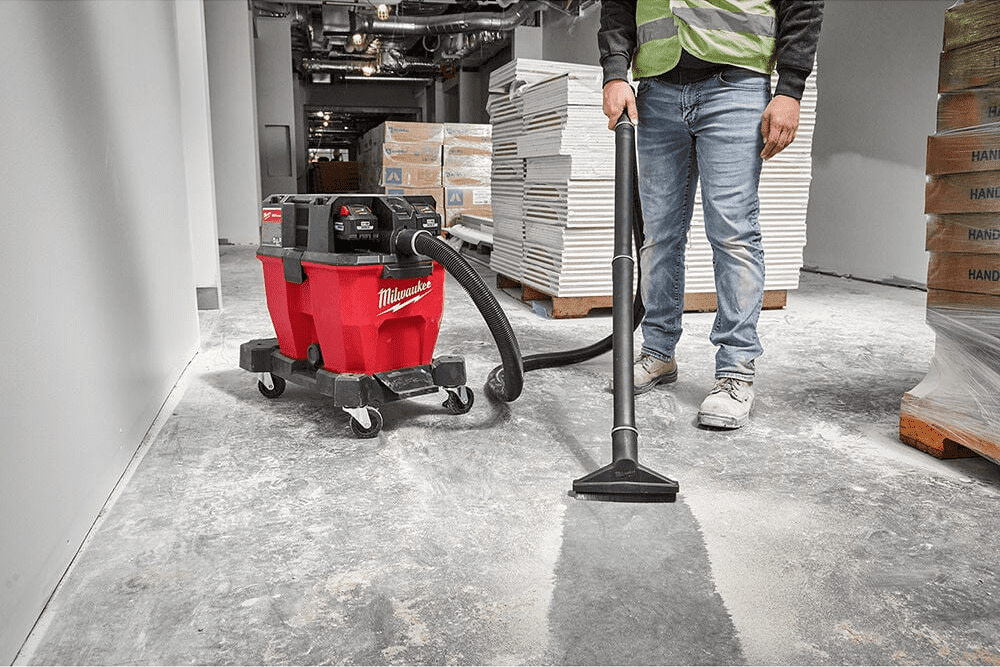
Wet/dry vacuums do more than just clean up your workspace. They take care of household spills, suck out air conditioner drain lines, and help you detail your vehicle. There’s no one-size-fits-all model, though. In general, the suction power goes up with the canister size, and we recommend getting the most power you can fit in your space.
There are three key specifications to consider as you’re shopping:
- Peak Horsepower (HP): Measures the peak power output of the vacuum
- Cubic Feet per Minute (CFM): Measures the volume of air the vacuum pulls every minute
- Water Lift/Inches of Water: Measures the strength of the vacuum’s pull
High CFM is more advantageous when you’re collecting light particles, like sawdust. High water lift is required to move heavier objects, like nails and screws.
Wet/dry vacs can be useful on jobsites, but many applications require the higher quality of a purpose-built dust extractor. This is especially true in concrete, where HEPA filters, filter cleaning mechanisms, and minimum CFM requirements are mandated by regulations like OSHA’s Table 1. In this case, check with your project lead or look up the relevant regulations to make sure you have what you need.
Tool Storage
You need a way to store and organize your tools. That might be a toolbox or a tool bag. If you’re based in a shop or you’re organizing your garage, there are a number of wall mount options as well as tool chests and cabinets.
While there are far too many options to detail here, choose something that fits the amount of space you have, the number of tools you own, and enhances the way you work. Most people need more than one solution to customize their setup.
Expand Your Basic Tool Set with These Hand Tools
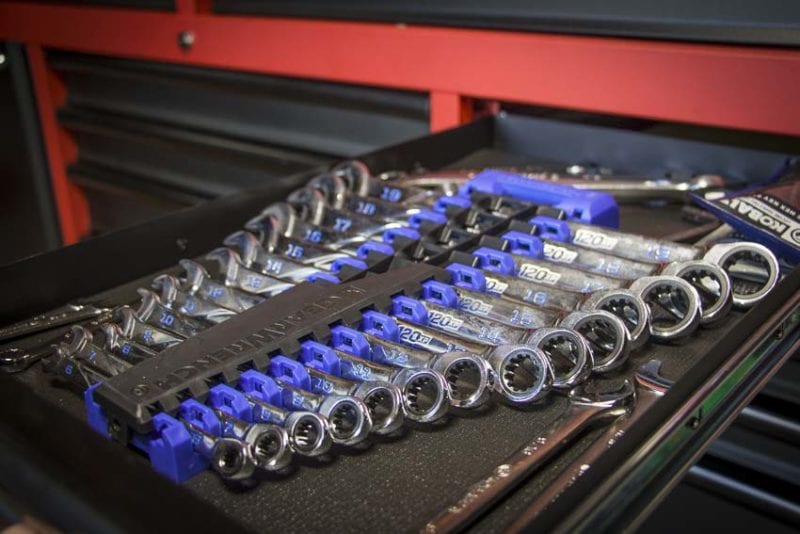
Even though we’ve already discussed a few of the most common hand tools, there are others you might want to add based on the type of projects you plan to work on.
Clamps
Clamps help hold things together while you fasten, while you weld, or while the glue dries on your project. If you build things or are getting into woodworking, you need clamps—lots of clamps. Trigger clamps and C-clamps are best ones to start with, but most people find there are others they need. Here are some of the most common and useful ones to consider:
- C-clamps: Applies high pressure clamping force from the top and bottom
- Trigger Clamps: Uses a trigger mechanism to ratchet various levels of clamping force
- Corner Clamps: Specialty clamp that holds 90° corners together
- Edge Clamps: Specialty clamp to hold molding, trim, or metalworking pieces in place
- Screw Clamps: Specialty clamp with wooden jaws that holds non-parallel workpieces together
- Spring Clamps: Has spring-loaded jaws (similar to alligator clamps on a battery charger) to apply relatively light clamping pressure
- Pipe Clamps: High-capacity clamp that can be customized by swapping the jaws onto different lengths of pipe
Grab a wide variety of clamps in various sizes, types, and styles. You won’t regret it.
Adjustable Wrench
An adjustable wrench is a must-have for any basic tool set. Whether it’s working with multiple nut and bolt sizes or dealing with smaller-diameter plumbing repairs and upgrades, it’s a highly versatile tool. Grab a medium-size model if you’re going to buy just one, but three-piece sets are the way to go if you have the room to store them.
Most adjustable wrenches either have a screw adjustment or a slip joint adjustment (like Channellocks). However, there are newer models that have a push-button adjustment that are very easy to use.
Wrenches and Sockets
Not everyone needs a set of wrenches right away, but most people would benefit from having at least a few sizes at their disposal. They’re a huge help when you’re tinkering under the hood of your vehicle or working with fasteners in tight spaces.
Wrenches and sockets are sold in metric and standard (SAE) sizes. Whether you’re a professional mechanic or working on home improvement projects, you’ll need both.
Here are the basic types you might want to start with:
- Combination Wrenches: More affordable, these wrenches have closed and open ends to give you different ways to engage fasteners
- Ratcheting Combination Wrenches: Add a ratcheting mechanism to the closed end so you don’t have to lift a replace the wrench with every turn
- Socket Wrench: A ratcheting wrench handle that works by installing different sockets to match the fastener size
Wire Cutting Pliers
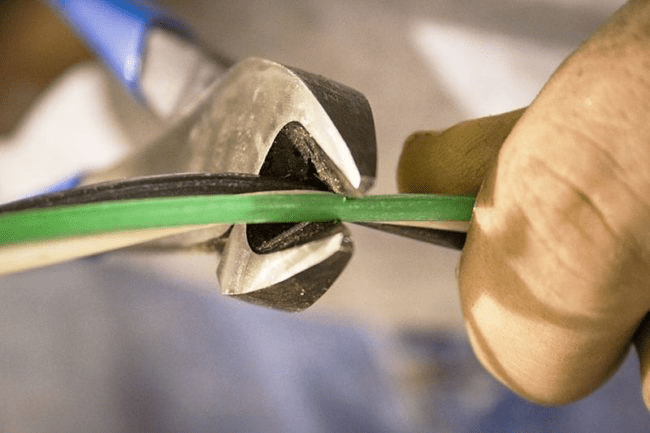
Wire cutting pliers come in a variety of sizes, shapes, and purposes. Not only can they help you quickly cut wire, but many designs can also cut small nails and screws, rope, and cord. No matter which style you prefer, look for a robust build that won’t bend or twist when you cut.
- Wire Strippers: Combines wire stripping, cutting, and screw shearing functions
- Side/Diagonal Cutters: Cuts wire, small cable, nails, and screws with a jaw design that lets you make close, precise cuts
- Lineman Pliers (Kleins): Features robust pliers jaws at the top with cutters near the joint
Check out our best pliers article for some of our top recommendations!
Needle-Nose Pliers
Needle-nose pliers help you reach into tight places to grip fasteners or twist wires in spaces that other pliers designs can’t reach. While basic models do nothing else, look for upgrades like wire cutter and wire stripper functions to get a more versatile tool.
Locking Jaw Pliers (Vise Grips)
Locking jaw pliers use a threaded adjustment knob to fit various sizes and use a locking mechanism that offers a tighter grip that you can provide with only your hand strength. They work well when you can no longer grab a fastener head with a wrench or screwdriver or don’t have the right size on hand.
Be careful when you’re using these pliers, though. The jaws have an aggressive knurling that bites into whatever you’re gripping. If you’re working with something like aluminum lug nuts on a show car that need to maintain a perfect look, locking jaw pliers are likely to damage them.
Allen Wrenches (Hex Keys)
Allen wrenches are the butt of most IKEA furniture assembly jokes. However, hex head fasteners are very common, and having a good set on hand can save you some headaches. There are several designs, and upgrading can make things significantly easier:
- Loose L-shaped Sets: Get the job done, but easy to lose individual wrenches and hard to know what size you’re holding
- Folding Sets: Keep all your wrenches organized and usually has size indicators but can be tough to use in the tightest spaces.
- T-handle Sets: Use a comfort-grip T-handle design that requires less hand strain
- Hex Shank Bits: Install into multi-bit screwdrivers and come in various lengths
To step up your game even more, look for ball head hex wrenches. This design upgrade provides proper engagement with fasteners from a wide range of angles where standard models can’t grip.
Pry Bars
As you expand your basic tool set, a good prybar or two can be helpful for remodeling tasks. Plus, they can help save your screwdrivers, which should not be used for prying!
I prefer flat bars measuring 15 inches or longer if you’re ripping up decking or siding. A small trim pry bar may also help with removing base molding, trim, and similar, more delicate operations.
Utility Knife
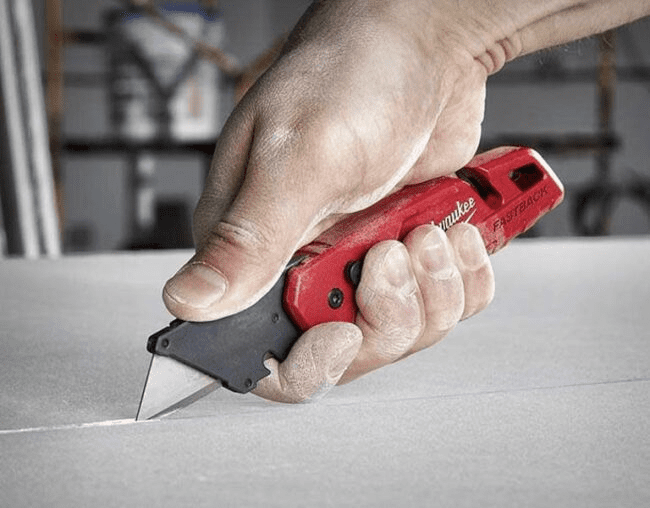
From opening and breaking down boxes to cutting shipping straps and many, many other things in between, a good utility knife is a must-have. Using easily replaceable razor-sharp blades, they offer a great cutting experience, but you don’t have to worry about resharpening them like you do your pocket knife.
There are two main types to consider:
- Trapezoidal Blades: When one side gets dull, flip it around, and replace it once the second side dulls
- Snap-off Blades: When the top gets dull, snap it off and push the next section out
Bonus features such as onboard storage for spare blades, more durable builds, and comfort grips can make using these tools much more convenient and easier.
If you need a utility knife for professional use, check with your manager on what types you’re allowed to carry. Some jobsites require automatically retracting blades, specific blade guards, or other safety features.
Basic Marking, Measuring, and Leveling Tools
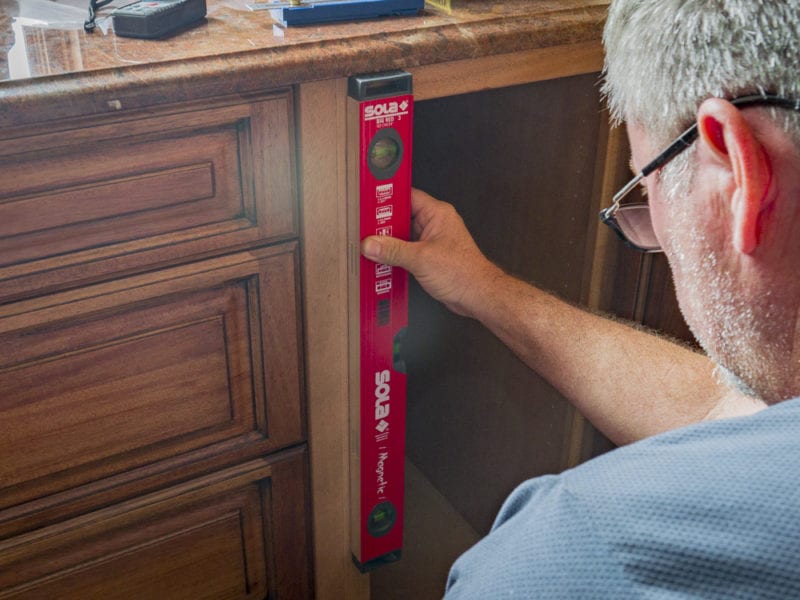
Measurement and layout tools are a key part of many basic tool sets. Whether you’re framing in a new window or simply mounting a TV to the wall, poor measurements and uneven installs can ruin the project.
25-foot Tape Measure
Great results stem from accurate measurements, so a quality tape measure is a must. For the majority of users, a 25-foot model is the way to go.
While there’s nothing wrong with going compact and lightweight, a wide-blade model offers better standout and rolls over less frequently when you’re measuring. Look for at least 10 feet of standout to allow you to easily measure full-length sheet goods.
Do a lot of estimating or indirect measuring? Consider one of our Best Laser Distance Measure recommendations!
Carpenter Pencils
You’re welcome to use a standard pencil or ballpoint pen to mark your measurements, but carpenter pencils are purpose-built for the job. They have a thicker graphite that won’t break off as easily, and their flat profile means they won’t roll away on you. Plus, most are intentionally shaped to be 1/2-inch wide and 1/4-inch tall to use for even spacing.
When you need to sharpen them, just grab your pocket knife or utility knife and whittle away.
Levels
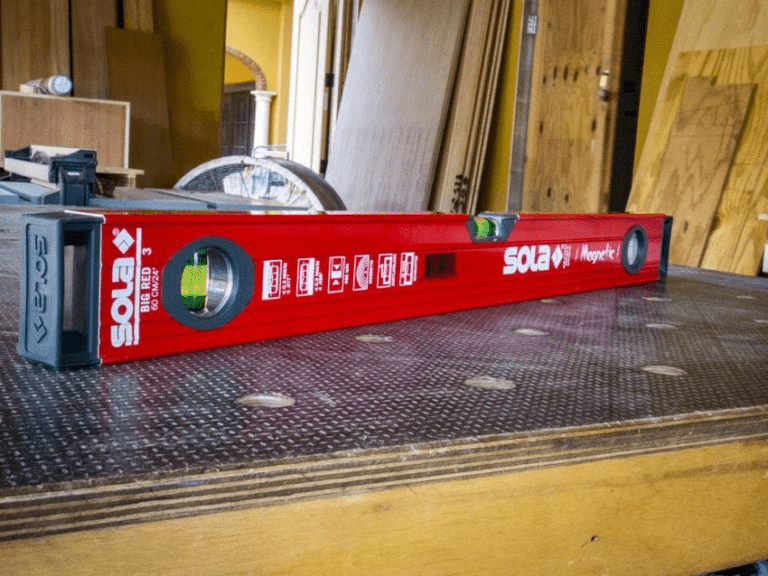
To make sure your installs are right, bubble levels are a relatively inexpensive way to get accurate results. Using a marked vial with a colored spirit inside, you simply set the level against your material and tilt it until the bubble is centered between the lines.
There are a few main types to consider.
- Pocket Level: Small, single-vial level for quickly checking pipe and conduit installs
- Torpedo Level: Compact level that often has two or three vials at different angles to meet the needs of electrical and plumbing installs.
- I-Beam Level: Available in sizes from 2 feet to 6+ feet, usually with vertical and horizontal vials set into an I-shaped frame for better strength
- Box Beam Level: Similar to an I-beam level but with a stronger box shape to the frame
- Digital Level: Adds a digital readout so you can easily see that angle of the level in addition to the vials
For most homeowner tasks, a torpedo level is all you need, and its compact size makes it easy to find room for. If you’re going into more extensive DIY projects, add 2-foot and 4-foot beam level to the mix.
If you’re a Pro, it depends on what you’re getting into. Plumbing and electrical can get away with smaller levels, while framers will need much larger ones.
Want to upgrade your leveling game? Grab one of our top-rated cross line laser levels!
Safety Items to Include in Your Basic Tool Set
Many people tend to overlook safety gear when building a basic tool set, but these should be non-negotiable additions. Deep cuts, broken bones, blindness, and hearing loss are no joking matters, and a small measure of safety is a cheap insurance policy against major medical problems.
First Aid Kit
A first aid kit always makes good sense to have around, even if you are not fixing things! You can find a whole host of first aid kits on Amazon. Pick one that suits your particular needs.
Safety Glasses
Safety glasses do more than just deflect dust from getting to your eyes. They’re specifically engineered so that sharp or hard objects (like an exploding grinder cutting wheel) won’t penetrate to your eyes. You can tell which ones are certified by looking for the ANSI Z78.1 rating on the packaging. We recommend having tinted and non-tinted safety glasses handy so you’re covered indoors and outdoors.
It takes time to find the most comfortable fit. Try several different sizes and shapes until you find what you like.
If you want a premium design that can crossover to your recreational activities, brands such as Wiley X and Oakley offer ANSI-certified lenses.
Work Gloves
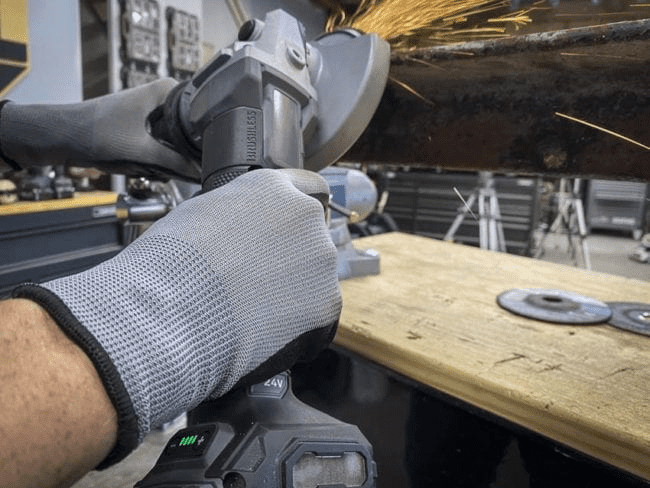
Work gloves come in all shapes and sizes, with a focus on both protection and grip. Shop around, and you can find some that are genuinely comfortable to wear. The key is to match the type of work to the glove. Here are some of the most common types you might need:
- Nitrile Gloves: Often used by mechanics to maintain high dexterity while keeping shop chemicals and grease off your hands
- Cut-resistant Gloves: Prevent cuts from blades or other sharp materials that can slice through other glove types
- Basic Work Gloves: Prevents splinters and abrasions when working with a variety of materials
- Impact-resistant Gloves: Standard work gloves with a top overlayer to protect the top of your hand
Dust Mask
Whether you’re cutting wood or surface grinding concrete, there are no airborne particles that are good once they get in your lungs. The best way to protect against it is by wearing a dust mask.
The cloth/paper type of mask will work for simple, low-dust applications. For anything involving long-term work, we recommend an N95-rated mask. The better varieties include a vent, and some even offer a rechargeable fan to evacuate the warm air you breathe out.
For extreme work, consider a respirator for the highest level of protection.
Consumable Items
The following is a brief list of consumable items you will find helpful to have on hand. You don’t want to make a run to the store every time you need something basic like duct tape or caulk.
- Wall Anchors: Consider picking up a variety pack that lets you hang and attach things to a wall with extreme ease and holding power. Check out our article on how to use drywall anchors to boost your knowldge.
- Nails and Screws: Small kits come with various fasteners in different lengths and sizes in a convenient plastic case.
- Duct Tape: This stuff can temporarily fix almost everything. Like holding the bumper on your car after a fender bender to fixing a broken chair back.
- Masking Tape/Painter’s Tape: Good for painting so you keep a nice straight line, but also used for a host of other things around the house or job site when you need a temporary hold.
- Electrical Tape: Usually black in color, this waterproof tape works well to insulate exposed wires like on your vacuum cleaner cord after you have sucked it up a few times and pulled it back out…
- Sandpaper: Get a variety pack that has rough, medium, and fine grids because you never know what you might need to sand. Match the paper to your tool of choice so you have what you need.
- Blue Nitrile Gloves: Perfect for working on the car or anywhere your hands can pick up grease, these disposable gloves come in an affordable box.
Final Thoughts
We’re certain this list doesn’t include everything you might need. Hopefully, it gets you on the right path and gives you some ideas to get started, though. Whether you plan on tackling simple DIY projects or you’re a Pro just starting out, the tools on this list should help you plan. Half the battle of getting quality results is having the right tools.