
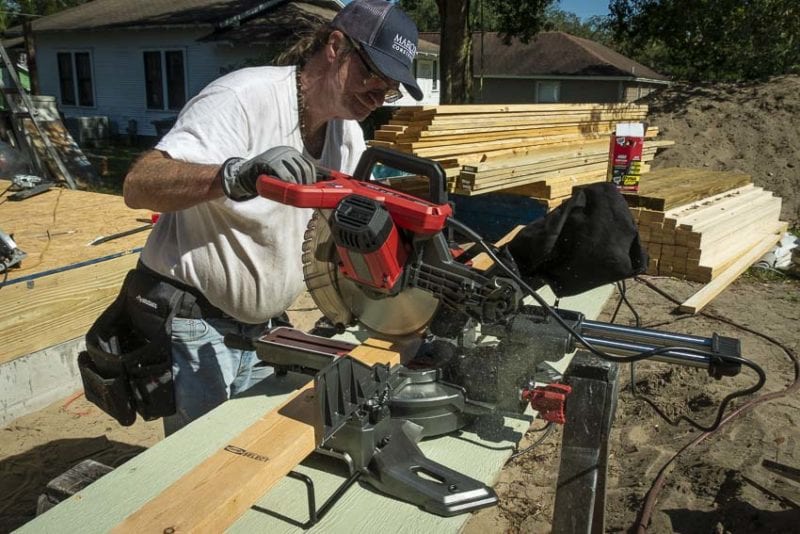
Jobsite Safety Tips from the Pro to the Apprentice
Working on a jobsite is challenging, but that doesn’t mean it has to be dangerous. In fact, all accidents are preventable with proper precautions. We’ve written about electrical wiring safety, table saw safety, and we have a lot more to pass on to the apprentices out there earning their stripes. Now here’s a list of essential jobsite safety tips. While certainly not an exhaustive list, but it’s a good start. Use wisdom, and work at a pace that ensures safety.
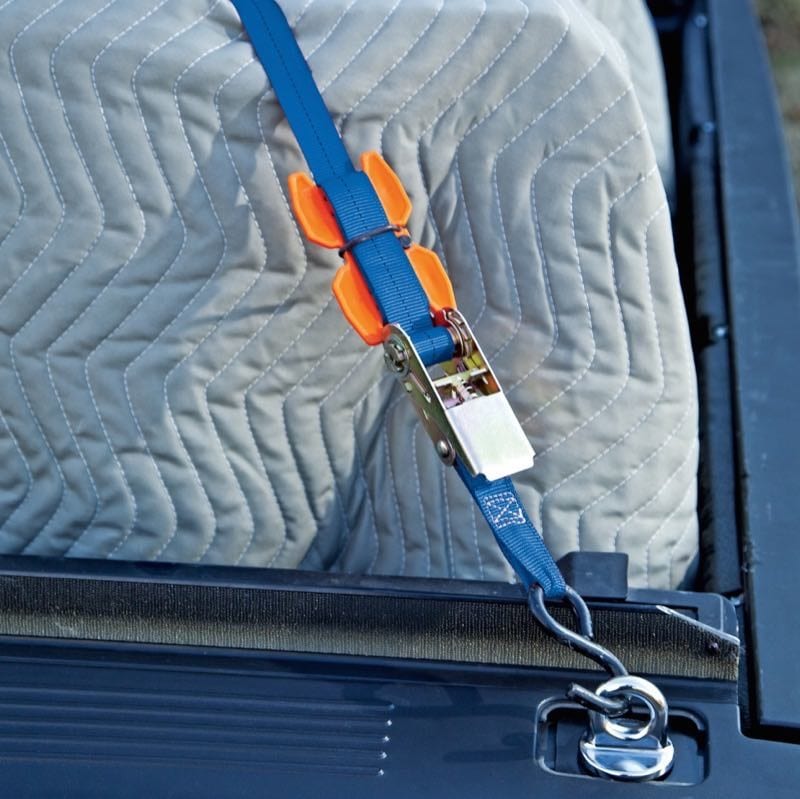
Properly Secure Loads
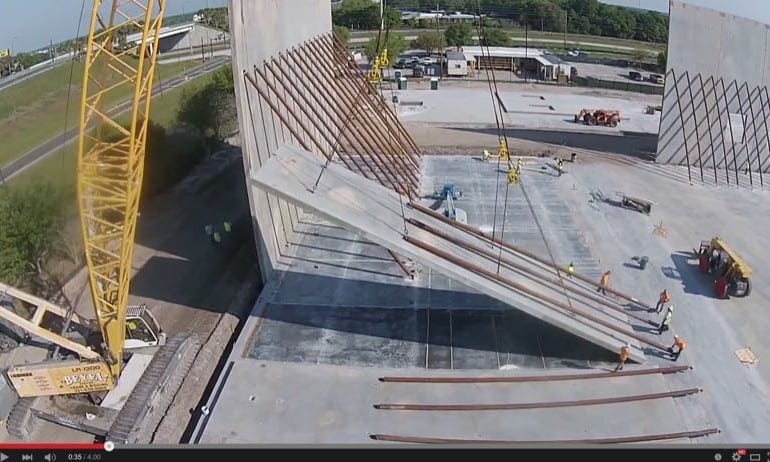
We want to get loaded and unloaded as quickly as possible to free up jobsite space. Or we need to move the load from the ground to its final position. But the danger of shifting or falling loads can’t be overstated.
Use tie-downs, blocks, correct rigging equipment, and techniques to be sure loads don’t become dangerous. If someone isn’t standing under or around a load, they can’t be injured by it. Clear the area around the load and keep the area under it clear after it’s been lifted.
Give Each Worker Room to Work
This is for more than just swinging a hammer. This is for any tool that a worker is attached to—from nail guns to heavy equipment. The equipment’s movement should never cross paths with another person. The responsibility falls to both the operator and other workers for this since an operator can be operating safely one moment and have another worker walk in the path of work the next moment.
Watch When Backing up Trucks and Heavy Equipment
Accidents, damage, and injury caused by backing up are common. Be sure there is a clear line of sight and go slowly. This might mean inspecting what’s behind the equipment, having a guide as one would when backing into a tight space, or using a camera. Having a guide might be the best option as the guide can be sure no one walks into the equipment’s path (see #2 above).
Be Careful When Operating on a Grade
Running equipment on any grade besides 0 degrees makes operating safely more complicated. Running equipment carrying loads adds even more complexity. Even experienced operators are challenged by a steep angle of approach. Make the grade—be safe on up-slopes and down-slopes.
Secure Yourself When Getting On and Off Equipment
Falls while climbing on or off equipment can happen in an instant. A worker can quickly find him or herself on the ground with the combination of fatigue and slippery equipment. Be sure equipment is dry, in good working order, the correct grips and anti-slip protections are in place, and emphasize safety even in the common actions.
Adding grip tape or handles can really make a difference. This especially holds true when climbing in and out of vehicles and equipment multiple times each day.
Water and Electricity Don’t Mix on Any Jobsite
Power tools and water on a jobsite are a dangerous combination. Workers shouldn’t stand in puddles while operating corded tools, water should be soaked up or dried out, and the proper safety equipment must be worn. Workers should wear thick-soled work shoes or boots, arc flash eye protection, and gloves when possible.
It goes without saying that no list of jobsite safety tips can save you unless you pay attention to your environment. Keep your eyes open on an active jobsite and practice situational awareness. That can make the difference when something occurs unexpectedly.
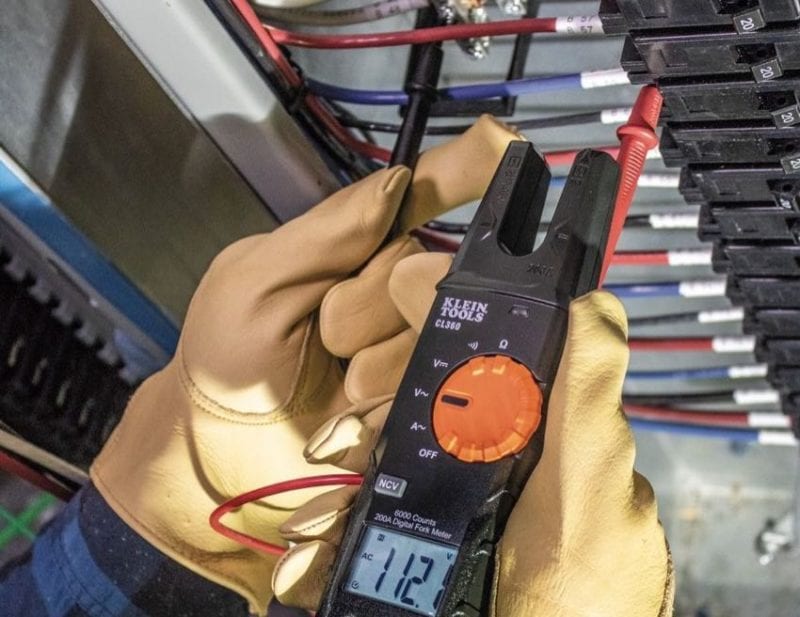
When dealing with electricity, things simply get a lot more serious. EH-rated boots and using the proper PPE helps. You always want to make sure your tools carry the proper CAT rating, but tools and PPE aren’t your first line of defense—your brain is. Stay up-to-date on your certifications and follow proper procedures and techniques when dealing with higher voltages and high-current lines. Shortcuts can hurt you…or worse.
Set Ladders and Scaffolding on Level, Solid Ground
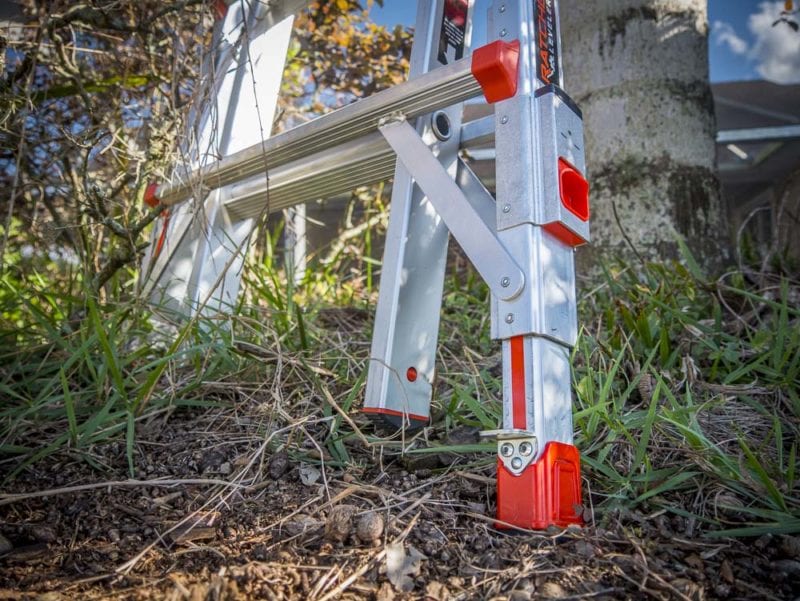
You can’t have a list of jobsite safety tips without discussing ladder safety. A quick climb up a ladder or scaffolding for a look at something can become a quick fall if there’s not level, solid ground underneath. If the ladder can’t be moved, place a sheet of plywood under it. Secure scaffolding to the structure where appropriate. We’ve already written about ladder safety tips, but you can never be safe enough.
Jobsite Safety Tips Include Personal Protective Gear (PPG)
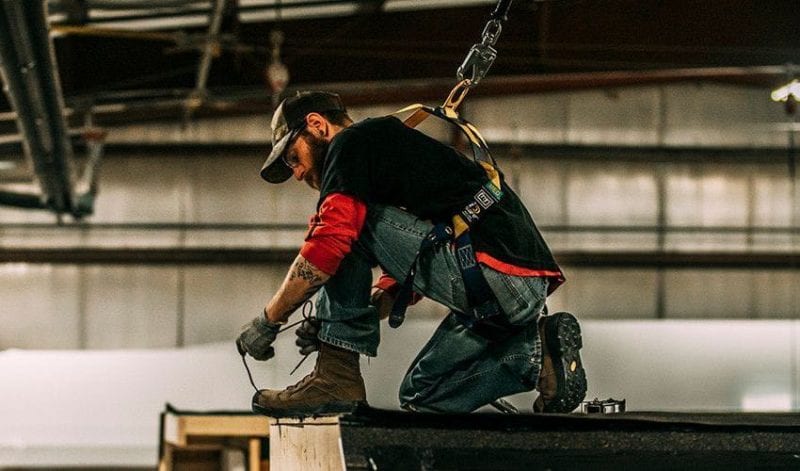
We briefly mentioned safety gear for electric shock protection, but general personal protective gear (PPG) is worth its weight in gold. Understanding how hearing protection and eye protection work can save you lots of problems later. There’s also specialty protection. Check out the ANSI/ISEA 105-2016 cut resistance standards for safety equipment.
The “Why” is Obvious…
But we’ll mention it anyway. These 8 essential jobsite safety tips help ensure that everyone goes home safely at night. That’s the goal. There’s no project that’s worth injury or death. If worker safety is a management priority, workers will be loyal and productive.
We hope you’ve benefited from our 8 essential jobsite safety tips. If you’re a Pro and you have jobsite safety tips, add them in the comments below.