
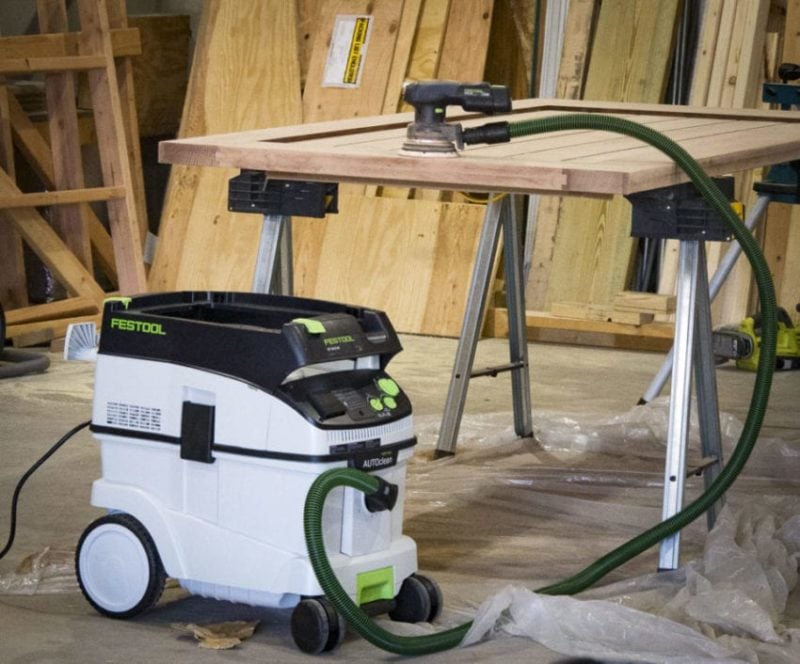
So you decided on a portable dust extractor but now comes the question of what bag, if any, you should use. If you’re still looking for a good model, take a look at our OSHA-compliant dust extractor shootout to sort it out! But back to the subject at hand: What dust extractor bag do I need?
Like most questions in the tool industry, it depends. So let’s take a look at your major options.
Related Content
- How to Choose a Dust Extractor
- CFM Vs Water Lift
- How a Hose Affects Performance
- OSHA-Compliant Dust Extractor Shootout
What Dust Extractor Bag Do I Need for Wet Vacuuming?
No Bag at All
The purpose of using a dust extractor bag is to contain the mess, but doesn’t the canister already do that?
Absolutely! When you’re doing any wet vacuuming, you’ll want to go without a bag. Some people will go bagless for general cleanup as well, simply emptying the canister when it gets full. That’ll work, but it’s not optimal. And if you’re working with concrete dust, you’re out of compliance without the bag.
Pro Tip: Go bagless if you’re vacuuming liquids or slurry.
What We Recommend for Larger Debris
Plastic Dust Extractor Bag
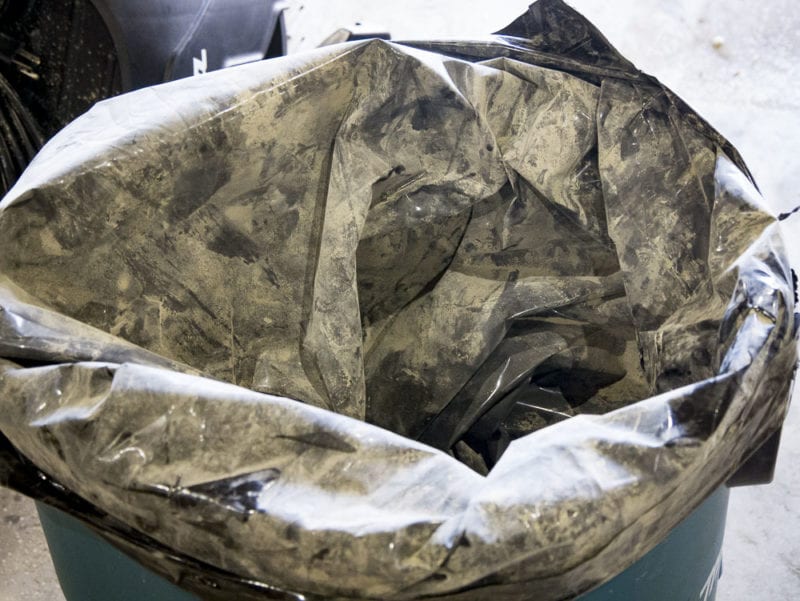
Plastic dust extractor bags are the least expensive and do a good job of containing the mess. But there are a few tradeoffs. The bag sits open, so dust reaches the filter and can clog it up. Many Pro-level dust extractors include an automatic filter cleaning system, and that certainly helps.
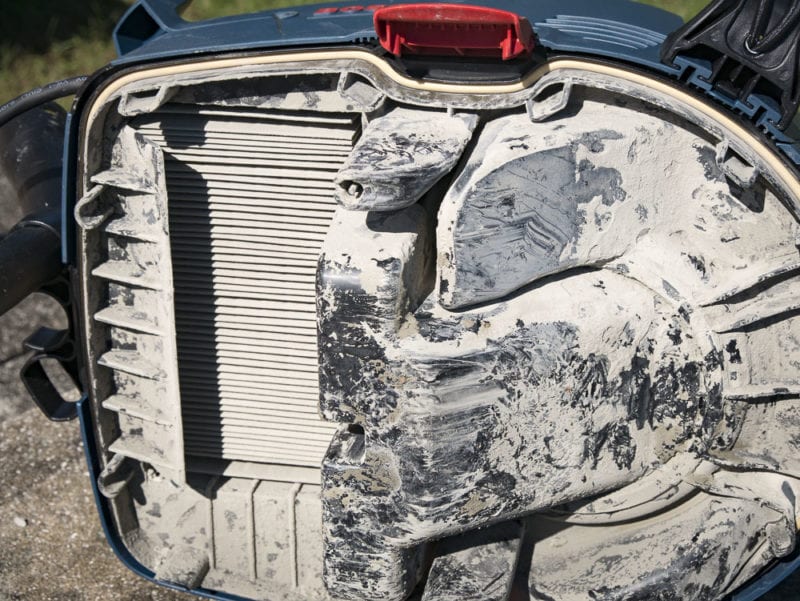
Since air doesn’t pass through plastic, there are vent holes in plastic bags. Those holes can allow dust to escape into the canister. If you’re working with a material that needs to be completely contained, like lead paint or concrete dust, it can pose a problem. The other issue is that since the bag sits open in the canister, dust can escape when you take the top off to remove the bag.
Plastic bags do their best work when you’re collecting material like wood shavings and concrete chips that gravity pulls to the bottom and tend to stay there. They’re more tear-resistant than paper or fleece bags.
Pro Tip: Use a plastic dust extractor bag for larger dry debris cleanup rather than fine dust particles.
What Concrete Bag is Needed for Concrete Dust?
Fleece Dust Extractor Bag
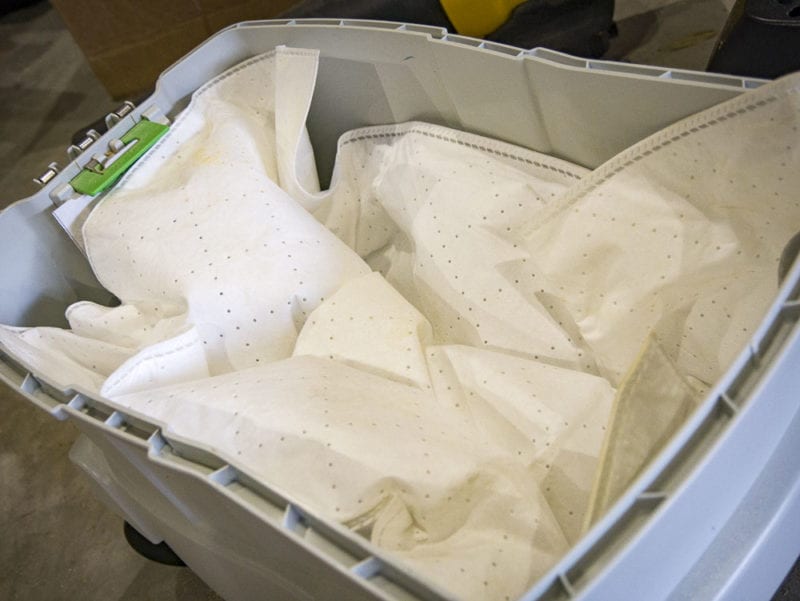
Fleece dust extractor bags allow air to pass through just like a filter. In fact, these bags act as a pre-filter and are very helpful for several reasons. The only large opening is for the hose connection and the rest of the bag remains completely contained. When you remove the bag, you just close up the hose opening and call it a day.
Since the bag isn’t open in the canister like a plastic bag, most of the debris you collect never reaches the main filter. This extends your filter life and gives you more consistent performance. When using a dust extractor without an auto-clean system, a fleece bag definitely helps deliver better results.
The downside is that you’ll pay more for fleece bags and they’re easier to puncture than plastic.
Pro Tip: Use a fleece dust extractor bag for dry fine particle collection and for all applications if you don’t have auto filter cleaning.
Best Bag for Sawdust in a Dust Extractor or Shop Vac
Paper Dust Extractor Bag
Paper dust extractor bags share similar benefits to the fleece filter. They contain debris better than plastic bags and act as a pre-filter to extend filter life. They’re also less expensive to use than fleece. But they’re paper, so they’re the easiest to tear and puncture. Paper is another option if your extractor doesn’t have auto filter cleaning.
Pro Tip: Use a paper bag for dry small particle collection when you’re confident the debris you’re collecting won’t puncture the paper.
A Note About OSHA Compliance
Curiously, OSHA doesn’t seem to give any direction about what bag(s) you need to use to remain Table 1 compliant. While that means plastic bags are in play, we recommend avoiding them for concrete dust collection. As soon as you open the top, plenty of visible concrete dust escapes and can take you from compliant to out of compliance quickly. Fleece is really the best bet for concrete.