iPhone vs. Android, Apple vs. Microsoft, Ford vs. Chevy, Coke vs. Pepsi, Milwaukee vs DeWalt. These are common industry battles fought to win the minds, dollars, and loyalties of consumers. The power tool and outdoor power equipment industries uniquely differentiate their products to gain consumers’ attention. Still, brand loyalty in the power tool industry is a bit of an enigma. Those of us who use more than one brand often scratch our heads in mild annoyance.
Referring to Tools by Color
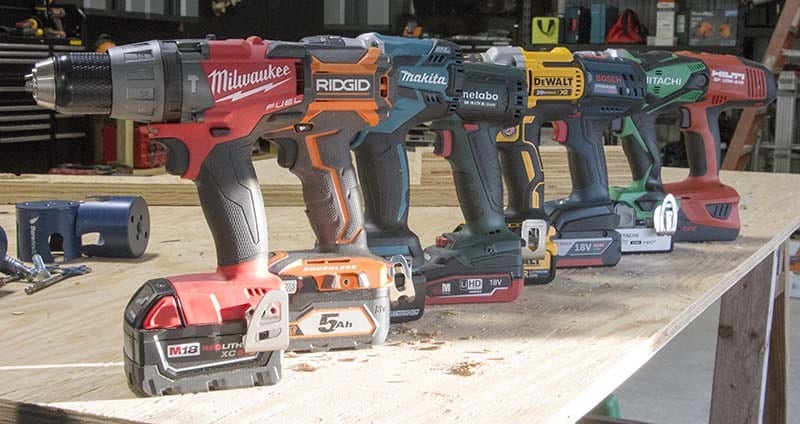
Folks in the field commonly think their favorite tool brand beats everyone else, and they refer to it by color. For example:
- Yellow = DeWalt
- Red = Milwaukee
- Teal = Makita
- Orange = Ridgid
- Blue = Bosch
However, things get a bit murkier when it comes to multiple tool manufacturers using similar colors. Take Red for instance. It really depends on what tools Pros use. Instead of Milwaukee, those using framing nailers or staplers might think about SENCO. For rotary hammers or demo hammers, Hilti comes to mind.
Having attended a number of manufacturers’ tool events, the product managers and marketing folks also refer to the competition by color.
Brand Confusion in the Power Tool Industry
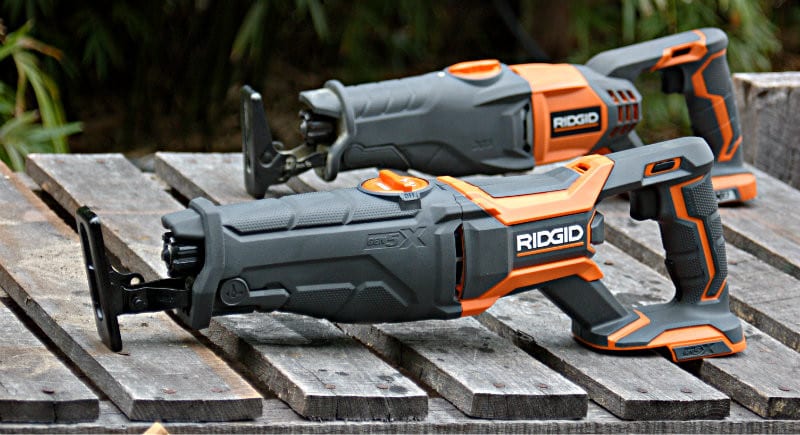
Ask contractors what the above tool is, and you are likely to hear, “SAWZALL” more often than not. The trouble for most brands that produce reciprocating saws, however, is that SAWZALL is Milwaukee Tool’s trade name. Technically, you only have the Milwaukee SawZall. Everything else is a reciprocating saw. This begs the question of whether tradespeople are more likely to purchase additional tools based on the performance of one tool, or whether they’ll be more apt to choose based on the specific application?
Another popular brand-confusion name is the Speed Square. There’s actually supposed to be a circled “R” after the word Speed (as in Speed® Square). That’s a registered trademark owned by Swanson Tool Company—and a particular source of contention whenever it’s used generically to refer to other brands. The problem is, even WikiPedia and most big box stores use the “speed square” designation incorrectly…It’s an uphill battle.
Entire Line vs Application Specific
Let’s examine routers next. Most Pros will tell you that Bosch is the go-to tool. Drill drivers? That honor may go to DeWalt, Milwaukee, Makita, or others. Brand Loyalty really depends on what power tool you look at in the industry.
Look in tool pouches, and you’ll find a Stanley Fat Max tape declared to be the best tape measure. In the Midwest, sidewinder circular saws dominate, but when visiting the West Coast most Pros use Skil worm drive saws.
Milwaukee went so far as to reward brand loyalists who tattooed the Milwaukee logo a chance to win free tools for life.
When it comes to lithium-ion batteries, this is usually a no-brainer as they are the lifeblood of cordless tools. With this initial investment covered it’s easier and cheaper to expand the line with the tool-only option. DeWalt knew this and willingly gave out free batteries early on—generating a lot of their jobsite dominance.
Milwaukee has made significant strides recently by focusing on the electrical, plumbing, and HVAC industries. They also redoubled their efforts in their battery platform and coupled that with expansions in the hand tools and instruments to provide additional value. Milwaukee RedLithium batteries are noted as being very well designed by many honest products managers across the industry—just not on the record!
Budgeting Effects on Tool Selection
In 2008, the economy—and shortly the entire construction industry—took a nosedive. Along with that went some of the tool purchasing habits of professionals. Low-impact, seldom-used tools now lingered in tool bags longer, and the “buy the finest” mentality took its lumps. That definitely affected brand loyalty in the power tool industry as Pros and business owners scrambled to find ways to lower costs and overhead.
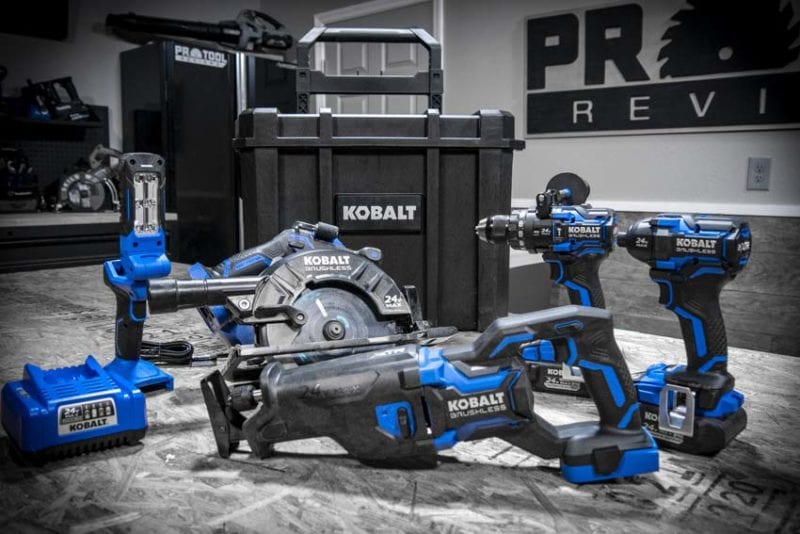
This trend really ushered into the jobsite a proliferation of what were once considered DIY tools. Many professional-grade tools were retooled to accommodate this change in the marketplace. The Ryobi ONE+ HP System came out in 2020 and promised new brushless tools that competed with professional brands on a variety of applications. This system offered an option to new professionals as well as those looking to get more bang for their back. House brands like Lowe’s Kobalt Tools brand quickly came to the market offering more budget-friendly options.
Porter-Cable had competed with all of the heavy hitters for a long time in the commercial and residential markets. After a series of acquisitions and mergers, the company landed with Black & Decker, which is part of Stanley Black & Decker (SBD). Crowded with DeWalt, Black & Decker, and Bostitch, Porter Cable lost some of its identity and appeared to have transformed into a budget-friendly line filler opposite Black & Decker instead of a direct competitor to the DeWalt professional line of tools.
Enter 2021 and an exclusive Porter-Cable and Tractor Supply partnership injected much-need e life into a brand that had languished for several years.
Final Thoughts on Brand Loyalty in the Power Tool Industry
Now, with an active economy and endless information available at our fingertips, tool purchasing has never been easier. Our question to you is this: Does brand loyalty in the power tool industry still drive your purchasing decisions, or do you just find the best tools for the best price?
Please let us know in the comments below.