
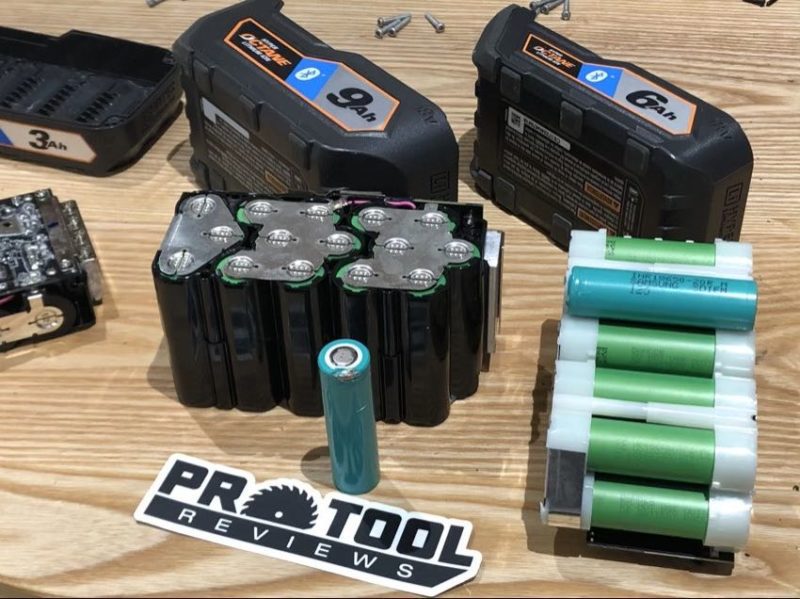
The question comes up on the heels of the U.S. Consumer Product Safety Commission’s warnings to avoid buying or using loose 18650 lithium-ion battery cells. The CPSC tells us that these cells are manufactured as industrial component parts of battery packs, and are not intended (at least by the original manufacturer) to be sold off as individual Li-ion cells to consumers. However, the commission also reports that these cells are often separated, rewrapped, and sold as new consumer batteries over the internet. So, are these loose lithium-ion battery cells actually dangerous?
Given that individual Li-ion cells see a lot of action in small consumer products, particularly with power tools, vaping products, and more, it might be wise for many of us to become informed enough to make educated choices.
Proper Protections
Without the proper protections in place, li-ion batteries are susceptible to all sorts of fiery malfunctions. We’ve seen everything from warnings about submerging battery packs to exploding hoverboards.
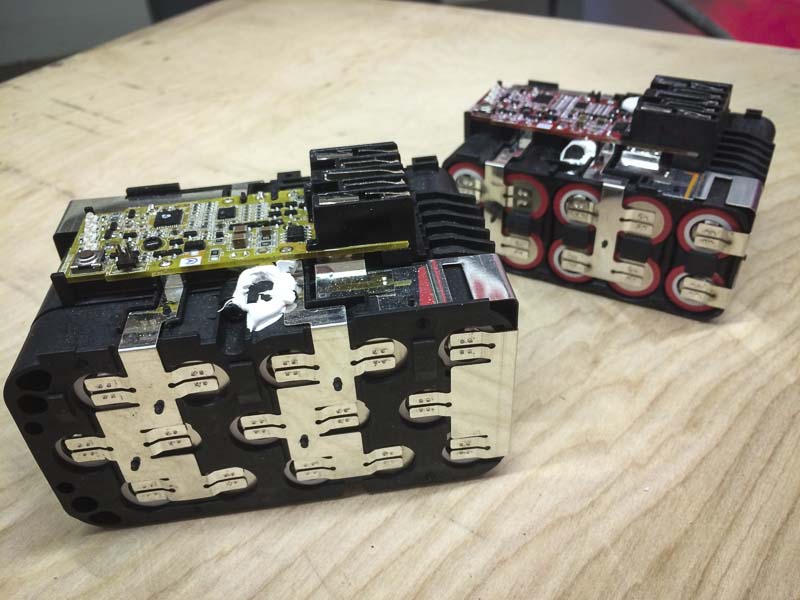
However, these protections are, as a general rule with tool manufacturers, built into battery pack designs. Li-ion battery packs feature electronic and physical controls that cool the cells within. They also include circuitry that communicates with tools and/or chargers to prevent overcharging, over-discharging, overheating, and other potential issues.
The problem with individual Li-ion battery cells is that, removed from a battery pack, they don’t have any of these protections in place.. This potentially puts your battery at more risk of malfunction. It also opens up more possibilities for personal injury.
Editor’s Note: At this point, there’s also a similar argument to be made for avoiding aftermarket replacement tool batteries. While opinions differ on the subject, it’s clear that you have no idea what protections third-party vendors build into their packs. You also don’t know what they take out to save on manufacturing costs.
Let’s Talk About Thermal Runaway
Are loose lithium-ion battery cells dangerous? The easiest answer is: potentially, yes. Without the proper protections in place, individual Li-ion cells (loose cells) can pose a substantial risk to consumers. They can, under certain circumstances, quickly overheat. This can occur when improperly handled, transported, stored, or charged. Without proper heat management, overheating and shorting can occur when powering even small devices like flashlights.
Risk of Short-Circuiting
Given the nature of how these batteries work, loose lithium-ion battery cells present a particular danger. The exposed metal positive and negative terminals have more potential risk than you find with NiMH or alkaline cells. Short circuit the terminals and they create a rather sudden and violent discharge.
This can happen if and when they encounter metal objects like keys or loose change in your pocket.
Once shorted, these individual lithium-ion cells can overheat, resulting in thermal runaway. This occurs when the cell’s internal materials ignite and the cell forcibly expels its burning innards. It results in fires, explosions, and serious injury or worse.
Think We’re Exaggerating? Incidentally, the loose cell’s predilection for seemingly spontaneous combustion is well-known. In fact, it has already caused the Internal Civil Aviation Organization, US DOT, FAA, and IATA to label certain lithium-ion batteries as Class 9 HazMat.
Thermal runaway can also happen in loose cells when inserting them in a charger that allows charging beyond the cell’s specs. Because a growing number of smaller consumer products use loose cells for power, this scenario is becoming all the more common. It’s also difficult to determine whether a third-party manufacturer adequately protects against these conditions.
What Can Be Done?
The CPSC is working with e-commerce sites, including eBay, to remove listings selling loose Li-ion cells. From our perspective, we’re fine with informed and responsible people making their own choices about how they power their small devices.
However, should you decide to take on the risk of potentially dangerous loose lithium-ion battery cells, there are some things you can do to minimize that risk:
- When traveling with loose cells, keep them in a case. Never let them run free in a pocket where they can come into contact with keys or loose change.
- Don’t charge loose cells unsupervised or overnight
- Keep batteries dry at all times
- Do not use or place batteries near fire or temperatures over 158ºF (70ºC). It’s best for your batteries to avoid heat and direct sunlight altogether.
- Keep an eye out for any deformities, rust, color changes, damage to the wrapping, or leakage from the battery. Discontinue use immediately if you notice any of these problems.
- Make sure not to exceed your battery’s maximum continuous discharge rating. Check your model’s specs to learn this information.
amzn_assoc_placement = "adunit0"; amzn_assoc_search_bar = "false"; amzn_assoc_tracking_id = "protoorev-20"; amzn_assoc_ad_mode = "manual"; amzn_assoc_ad_type = "smart"; amzn_assoc_marketplace = "amazon"; amzn_assoc_region = "US"; amzn_assoc_title = ""; amzn_assoc_linkid = "595f42799e1db97ddcbd1be5803d1210"; amzn_assoc_asins = "B06XRKD15B,B07SQLRMQH,B07JD77LVD,B07ZSHFFHF";
With all that said, the CPSC would love it if you reported any problems you have with lithium-ion batteries to them by clicking here. You can also learn more about high-energy battery safety by visiting this link.