
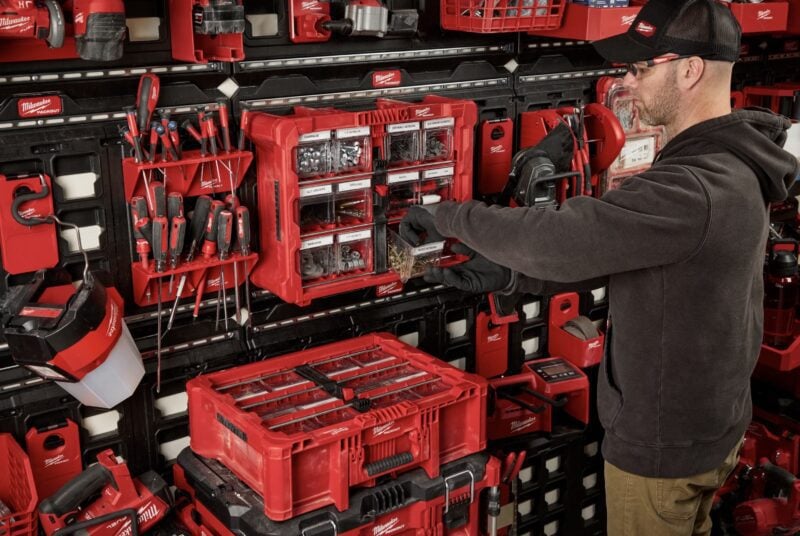
When you watch a professional tradesman with decades of experience work, there’s an elegance to their workflow that seems to make everything easier. The same goes for the way they organize and store their tools. In this article, I’ll share our top 10 tool storage and organization tips—some that we’ve learned from experience, and some from the masters themselves.
#1 A Tool Box (or Bag) for Every Occasion
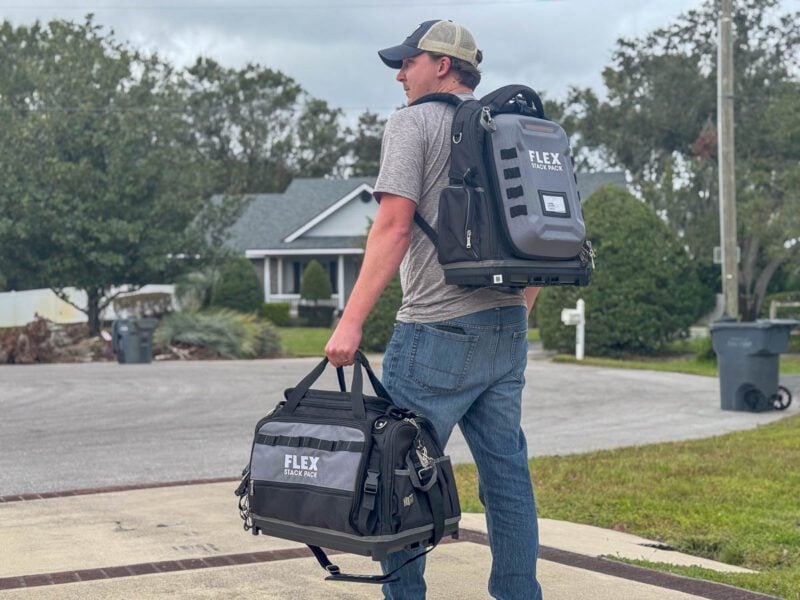
In my world, I may need to work on plumbing, electrical, automotive, flooring, or a myriad of other things that might pop up. If you’re in a similar boat, an easy way to make those jobs more efficient is to create separate kits for each type of work you do.
Even within a single trade, it can be beneficial. Take plumbing, for example. You might have a rough-in bag that’s different from your clog bag. You can still keep everything you need in your van. But by having them in job-specific sets, your workflow can be much more efficient (there’s a plumbing joke in there).
While you’re likely to have some tools you have to buy extras of because you need them in more than one kit, the efficiency gains make it worth the extra expense over time.
Check out our top recommendations for the best tool boxes of the year!
#2 Get to Your Fasteners Faster
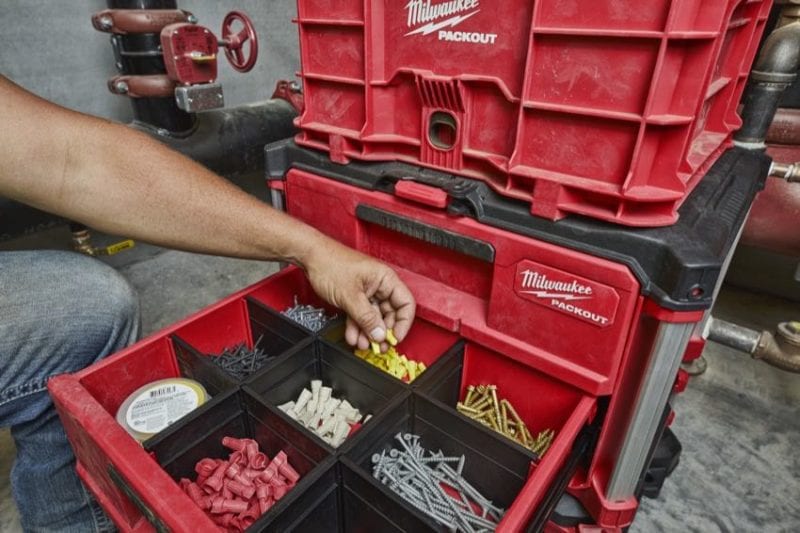
I can’t stress enough how helpful it is to have organized fasteners. Screws, washers, nuts, bolts, and more become very easy to access quickly when you have them separated by general size and type. It’s a similar concept to organizing different tool boxes by the job—you’re organizing your consumables by the type or job.
If you’re using one of the rugged modular storage systems on the market, like Milwaukee’s Packout, adding some of the 1/2-size boxes can help you dial in your more niche needs without having a bunch of empty space.
Editor’s Note: Organizers like these also make for the best Lego storage and organization system we’ve ever tried.
#3 It’s Good to Have Duplicates
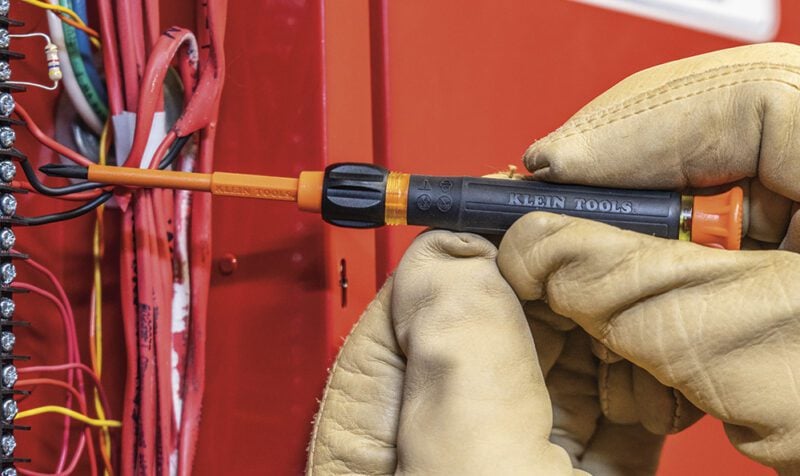
Having more than one of the same tool isn’t just insurance for when something goes missing or breaks, it can improve your workflow as well. Consider the humble tape measure. If you keep one in your truck, one in your tool chest at the shop, and one in each of the job-specific tool bags you put together, there’s always one close at hand, saving you the trips back and forth.
So, go ahead and grab multiple sets of the tools you use most frequently, especially those that aren’t too expensive.
Take a gander at the best tape measures of the year!
#4 Save Space with Multi-Tools
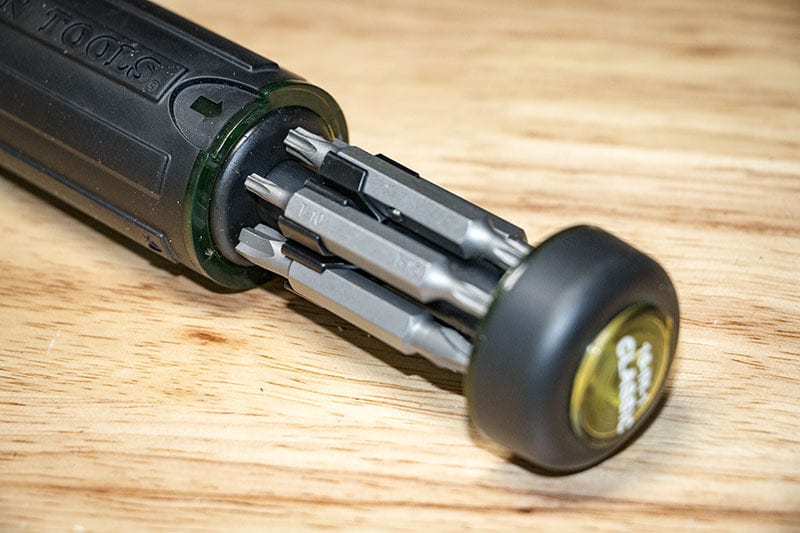
When you’re organizing your tool boxes, you can save space and money by going with multi-tools instead of tool sets. A multi-bit screwdriver like Milwaukee’s 27-in-1 multi-bit driver puts more than two dozen different hand tools in the space of just one. It’s also much less expensive than buying all those tools separately.
If you look around, there are specialty multi-bit drivers for electrical, HVAC, electronics, and more. If you can’t find exactly what you need, start with a model that takes standard 1-inch x 1/4-inch hex bits. Since those bits are easy to find online and at local retailers, you can swap out the bits you don’t need for the ones you do and have your own custom solution.
The downside to most multi-bit drivers is that the handles tend to be a little larger in diameter, so they’re not quite as comfortable as single drivers. Many also have a larger shaft, especially at the tip, which can affect your access and sight line to the bit tip in some situations.
#5 Optimize Drawers
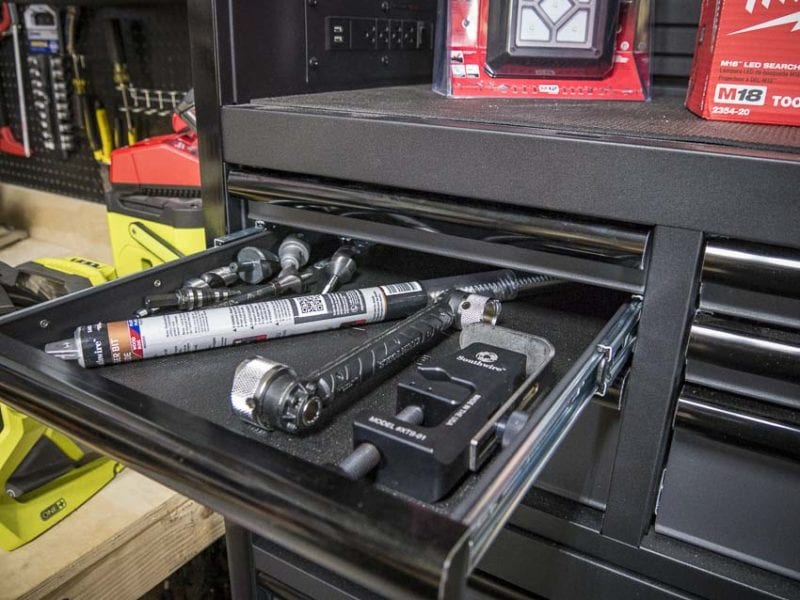
With so many different drawer sizes in tool chests, you want to make good use of them.
Shallow drawers are excellent for wrenches, screwdrivers, pliers, and standard socket sets.
Medium-depth drawers work well for meters, larger hand tools, and deep socket sets.
Deep drawers are best for the largest, heaviest tools. In addition to the larger volume of storage space, they also tend to have double slide rails that give them twice the weight capacity of smaller drawers.
The width of the drawer makes a difference, too. Full-width drawers can hold larger tools like long pry bars, 2-foot levels, and even conduit benders.
Narrower drawers make it easy to organize things like specific hand tool sets, marking tools, or accessories.
You also want to take into account accessibility. If you constantly reach for your wrenches and sockets, don’t put them at a level where you need to constantly bend down to grab them. Conversely, place your least-used tools in the drawers that are furthest out of reach.
#6 Stop the Slide
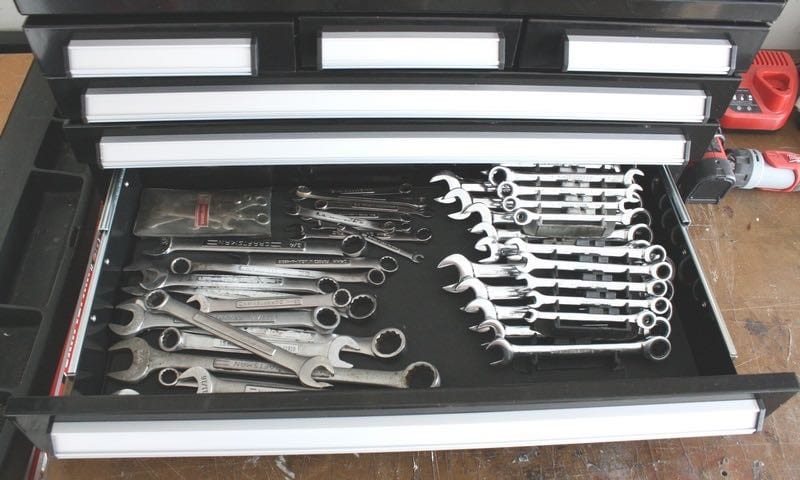
Having a tool chest and cabinet set to keep your garage or shop tools organized is great. Unfortunately, the drawer liners tend to slide and bunch up. An easy fix is to grab a can of spray adhesive and apply it before you set the liners in. Just be sure to set them in carefully—some of those adhesives cure quickly and make it tough to adjust the liner.
If you want something a little less permanent, some double-sided tape will do the trick. A line around the outside edges, plus a couple of strips dividing up the center, will keep those liners from shifting.
Discover which tool chests and cabinets we rank at the top!
#7 Just Add Foam
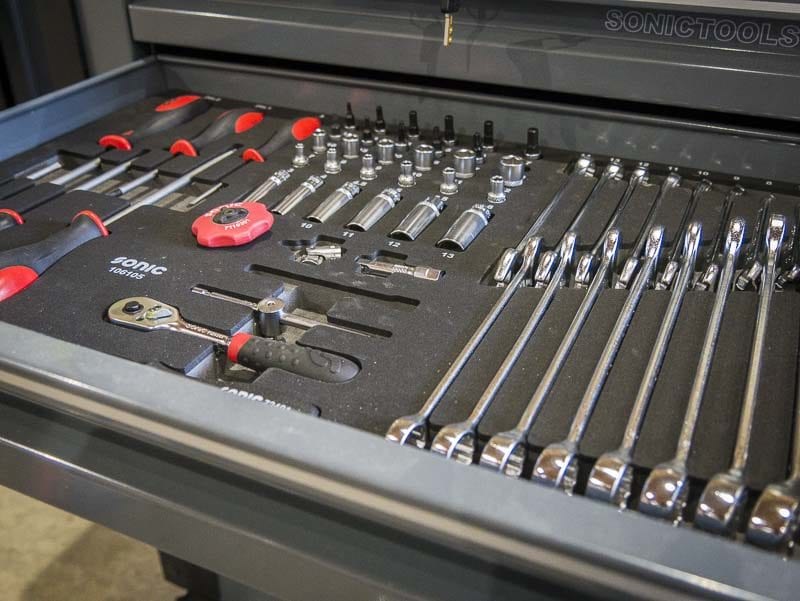
If you want to take your tool box or tool chest organization to the next level, foam inserts are the way to go. They ensure every tool has its place and make it easy to see when something hasn’t been put back. For jobs like A&P in the aviation industry, it’s a critical feature.
There are some relatively cheap solutions out there that you pull or cut out perforated squares to match the shape of the tool going into that spot. It works, but it’s not quite as Pro as we’d like.
The best custom solution we’ve seen comes from Kaizan inserts. They use proper foam for supporting hand tool and power tool organization, and have the tools you need to customize it perfectly. There are even precut inserts for several modular systems like Milwaukee Packout, DeWalt ToughSystem, Flex Stack Pack, and others.
Some tool sets come with custom foam inserts ready to slide into your tool box drawers. They tend to be higher-end tools and most we find are from automotive-focused brands, like Sonic Tools and Gearwrench.
#8 Get a Label Maker
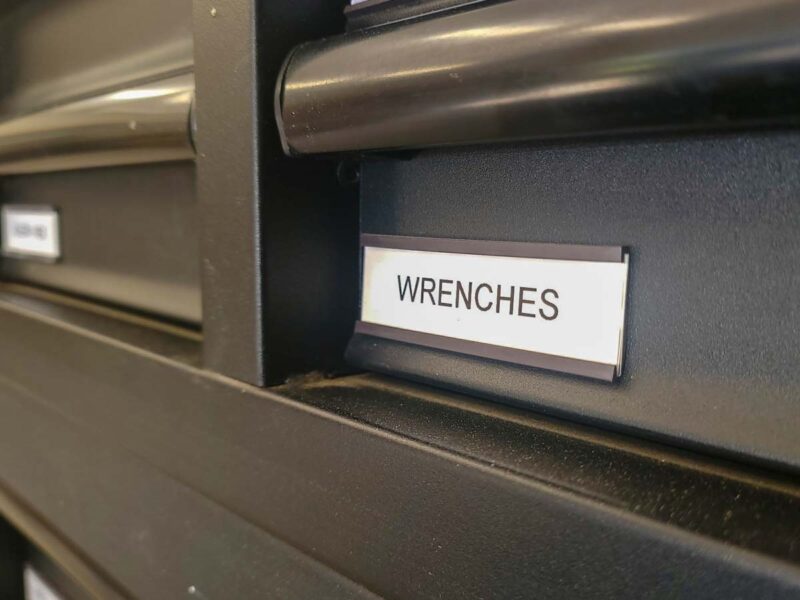
Whether you’re working on your own or with a crew, having labels on drawers and tool boxes is a big help to everyone. Grab a good label maker to create custom stickers. When you make labels, type them in all caps to make them easier to read.
For tool chests and other metal storage, grab a roll of cuttable magnetic strips and stick your labels on those. If you ever decide to reorganize, you won’t have to fight with a heat gun or razor blade to take the old stickers off.
#9 Install Material Organizers
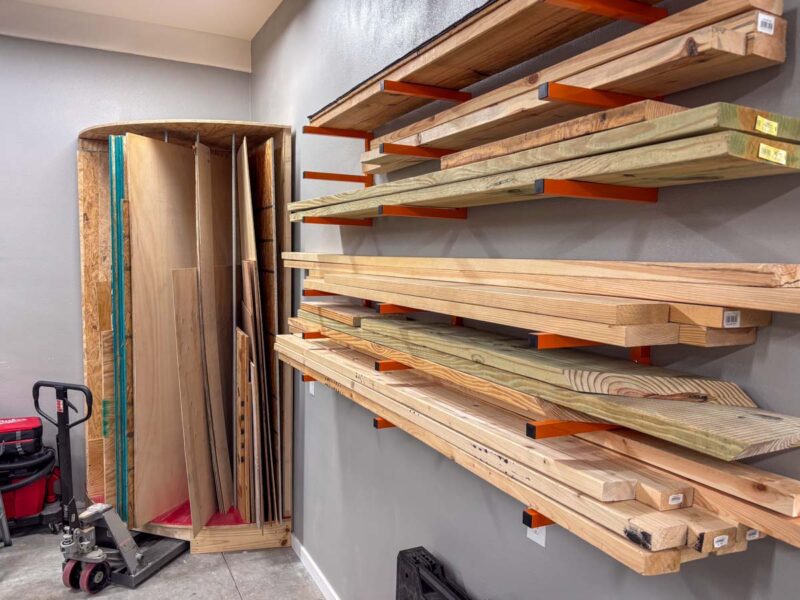
Don’t underestimate the value of installing material organizers back at the shop. You can buy solutions like Bora’s wood storage rack for smaller lumber and trim. You can also make your own solutions, like the sheet goods organizer we made for our shop.
Upgrades like these make accessing materials easier and quicker to assess when you’re running low on stock.
#10 Purge
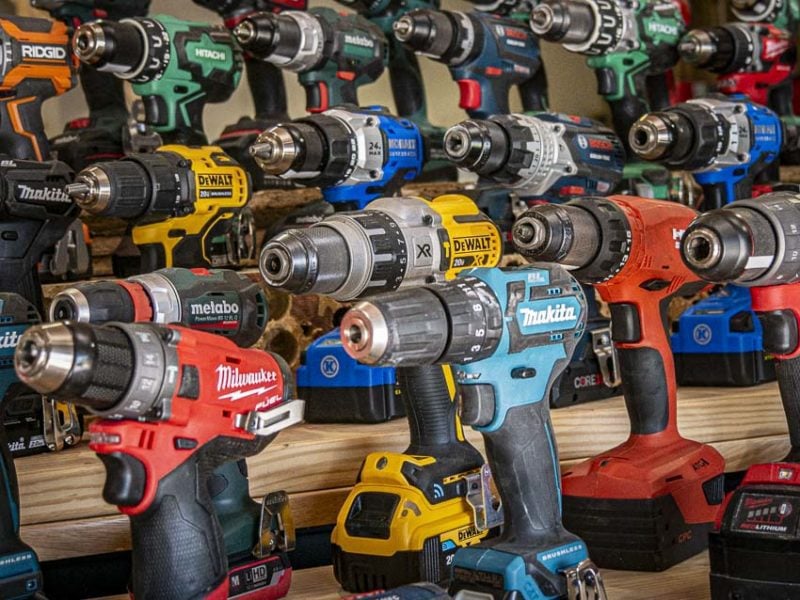
As planners and preppers, some of us never throw anything away. Even the backups to our backups have backups. While you should have your plan B tools in case something happens to your primary ones, hoarding everything you’ve ever bought takes up a lot of space.
Host a shop sale, sell on eBay or Facebook Marketplace, or just give ’em away. When you start to eliminate all the “I might use that one day” stuff piling up, you might be surprised how much space you have to work with.